Song Meaning
Ana Carolina's "Me Sento na Rua" isn't a protest anthem, but a deeply personal declaration of self amidst urban sprawl. The image of sitting in the street, facing the hours, is a powerful one, immediately grounding the listener in a space of vulnerability and observation. It's a rejection of rigid schedules and societal expectations, a willingness to simply *be* at any time, in any state. The lyrics convey a sense of rootlessness: "Pra onde for o vento eu vou" (Wherever the wind goes, I go). This isn't necessarily a celebration of freedom, but perhaps an acceptance of a lack of control, a surrender to the currents of life. The reference to being "filho do nada" (child of nothing) suggests a lack of fixed identity or belonging, further emphasizing this theme. The metropolis is "rasgada" (torn), hinting at the fragmented, chaotic nature of modern existence.
The song then delves into a search for connection within this urban landscape. The speaker yearns to find someone, wandering through the city streets ("Perambulando na surdina eu queria te encontrar"). This desire for connection contrasts with the earlier assertion of independence, creating a tension at the heart of the song. The lines about neighbors knowing "um lado meu" (one side of me) speaks to the fragmented way we present ourselves to the world, and how others perceive us. The speaker suggests that these fragmented perceptions collectively create her. This idea of being composed by others is complex, hinting at the influence of external forces on our sense of self.
Ultimately, "Me Sento na Rua" extends an invitation. "Se você ainda quiser saber como eu sou / Me encontrar pode me procurar" (If you still want to know how I am / To find me, you can look for me). It's an invitation to truly see the speaker, beyond the surface-level perceptions and the chaos of the city. It is a recognition that while the speaker may feel lost or undefined, she is still present and available for connection. The song's strength lies in its honest portrayal of vulnerability, its embrace of ambiguity, and its quiet yearning for genuine connection in a world that often feels isolating.
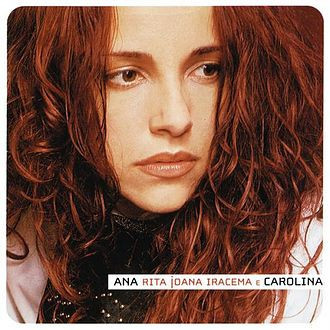
 View Artist