Song Meaning
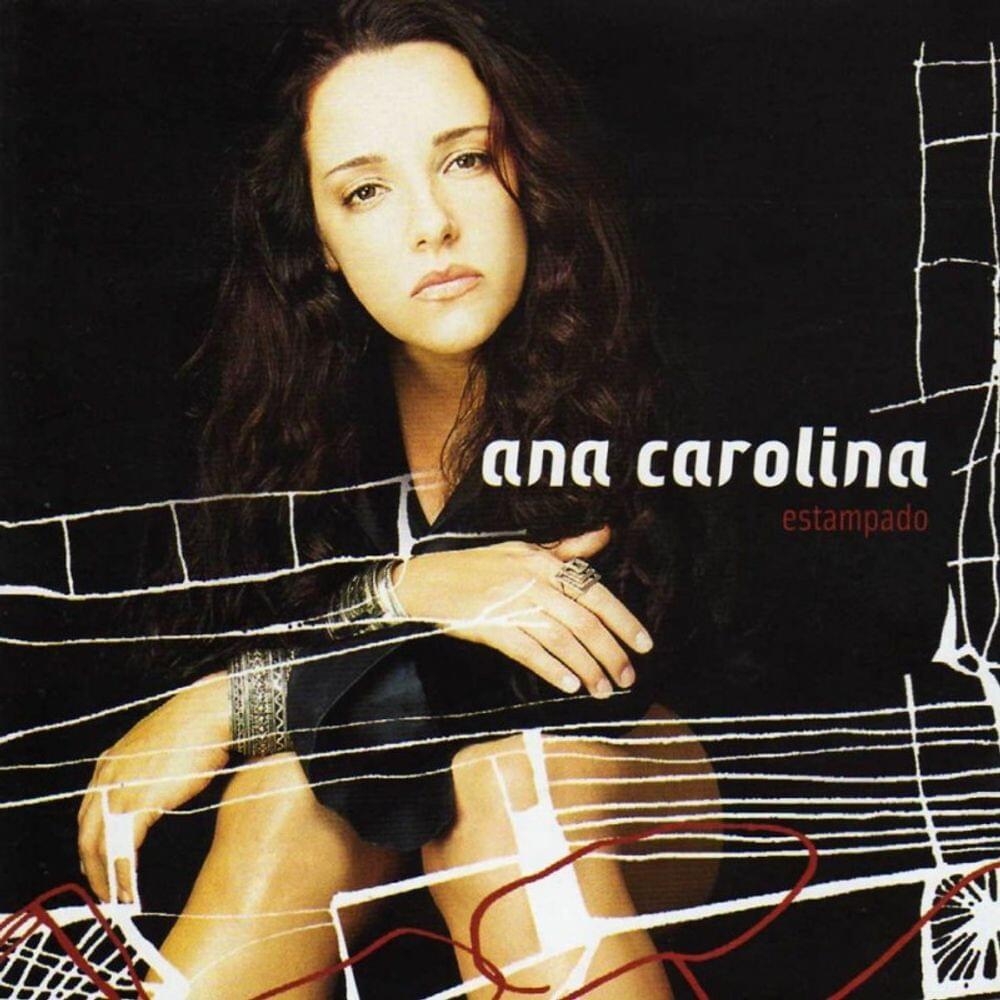
Ana Carolina's "Mais Que Isso" isn't just another love song peddling superficial romance. It's a sharp rebuke to the transactional view of relationships, a plea for embracing love's messy, ineffable core. The opening lines, "Eu não vou gostar de você porque sua cara é bonita / O amor é mais que isso," immediately establish this stance. Carolina isn't interested in the shallow allure of physical attraction or shared belief systems. For her, "O amor talvez seja uma música que eu gostei e botei numa fita" – a deeply personal, almost accidental connection, preserved and cherished. It's about the intangible, the things that resonate beyond the surface. The song subtly suggests that love is not a calculated equation. It suggests love is something far more profound and mysterious.
The core of the song's meaning resides in the tension between expectation and acceptance. Carolina urges a lover to abandon their "tolice" and "bobagem" – their petty demands and anxieties – and recognize the fullness of the present moment: "Inteiro, intenso, eterno, pronto pro momento e você cobra." This isn't a passive acceptance; it's an active embrace of the entirety of experience, "O corpo, a alma, a calma, o sonho, o gozo, a dor." The repeated insistence that "O amor é mais que isso" functions as a mantra, a reminder that reducing love to a set of conditions diminishes its power. The lyrics also hint at the frustrations of a relationship weighed down by expectations and possibly over analysis.
Ultimately, "Mais Que Isso" is a call for surrender. "Será que é tão difícil aceitar o amor como é / E deixar que ele vá e nos leve pra todo lugar?" Carolina seems to ask. This isn't about control or certainty, but about trusting the unpredictable journey that love offers. Letting "essa nuvem passar" implies a willingness to see beyond immediate doubts and insecurities, to understand the deeper currents that connect two people. The promise, "E você vai saber de onde vim, aonde vou / E que eu estou aqui," is not a guarantee of perfect understanding, but an offering of presence, a commitment to being fully present within the relationship's unfolding narrative.
 View Artist