Song Meaning
The lyrics paint a picture of someone who is simultaneously pushing others away and desperately seeking connection, creating a potent emotional paradox. The narrator presents a series of contradictory desires: "Mesmo que eu te esqueça, me ame" (Even if I forget you, love me) and "Mesmo que eu minta, se engane" (Even if I lie, deceive yourself). This suggests a deep-seated fear of vulnerability, masked by a facade of indifference or even self-sabotage, yet the underlying plea for love and attention remains.
The central tension lies in this push-and-pull dynamic, a desperate attempt to control intimacy by dictating its terms, even as those terms are self-defeating. The narrator seems to crave engagement but fears its consequences, leading to a cycle of mixed signals. Phrases like "Eu só quero diversão" (I just want fun) and "É só um pouco de atenção" (It's just a little attention) serve as dismissive qualifiers, attempting to downplay the significance of their own actions and desires, yet the intensity of the requests ("me beba" – drink me) betrays a deeper longing.
The most striking aspect is the juxtaposition of grand pronouncements with a stark image of helplessness. "Na medida do impossível" (To the extent of the impossible) sets a tone of immense, perhaps unattainable, emotional stakes. Yet, this is immediately followed by the grounded, almost pathetic image: "Planejando a minha fuga, vou ficando aqui, a pé" (Planning my escape, I'm staying here, on foot). This contrast highlights a paralysis, where the desire to flee is present, but the means to do so are absent, leaving the narrator stranded and dependent, despite their attempts at independence.
This intricate dance of defiance and dependence is what makes the lyrics so compelling. The writing doesn't offer easy answers; instead, it captures the messy, often illogical nature of human connection and insecurity. The repeated plea, "Não me deixe aqui, não me deixe a pé" (Don't leave me here, don't leave me stranded), cuts through the earlier defenses, revealing the raw vulnerability beneath the carefully constructed indifference. It’s this exposed need, emerging from a place of self-imposed impossibility, that resonates.
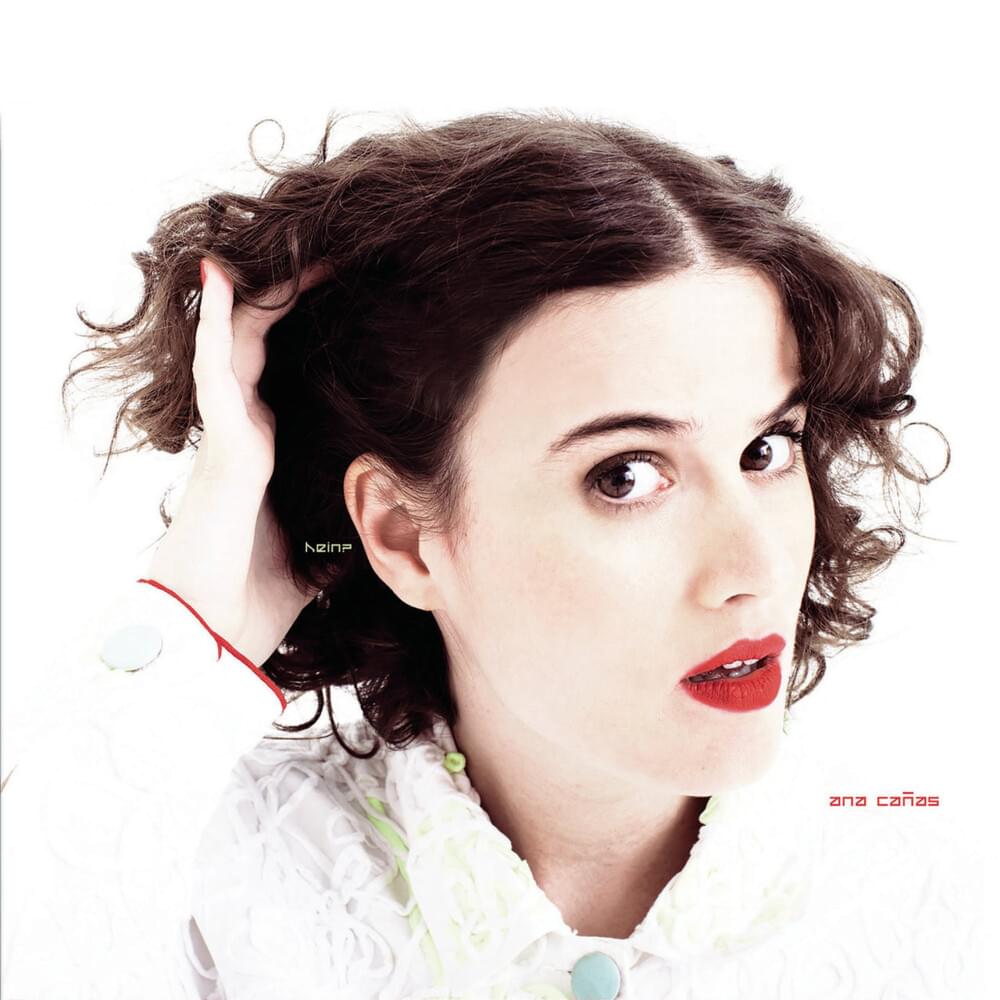
 View Artist