Song Meaning
This song paints a vivid, almost snapshot-like scene of four mule drivers heading out. The focus quickly narrows to one specific driver, described as "moreno y alto" (dark and tall) and riding a "mula torda" (a specific type of horse, often grey or roan). There's an immediate sense of observation, a keen eye catching a particular figure within the group.
The central tension emerges as the narrator reveals the profound effect this particular mulero has on them. The simple act of him going "al agua" (to the water) is enough for him to "me roba el alma" (steal my soul). This isn't just admiration; it's a deep, almost involuntary captivation that transcends the mundane activity.
The lyrics employ a striking metaphor to underscore this intense attraction. When the mulero is described as going "al río" (to the river), the narrator declares, "Es mi marío" (He is my husband). This declaration, while potentially literal within the song's narrative, also functions as a powerful expression of possession and deep emotional commitment. The final stanza elevates this further, asking why he seeks "la lumbre" (fire/light) when his own face "sale / El brasa viva" (emits living embers). This contrast highlights his inherent radiance and passion, suggesting he is the source of warmth and light himself.
This piece is effective because it grounds intense emotion in simple, everyday imagery. The repetition of "De los cuatro muleros" sets a scene, but the specificity of the "mula torda" and the "moreno y alto" driver makes the object of affection tangible. The progression from observation to soul-stealing to declared husband, culminating in the fiery comparison, creates a powerful arc of escalating devotion and fascination, all built on a few carefully chosen details.
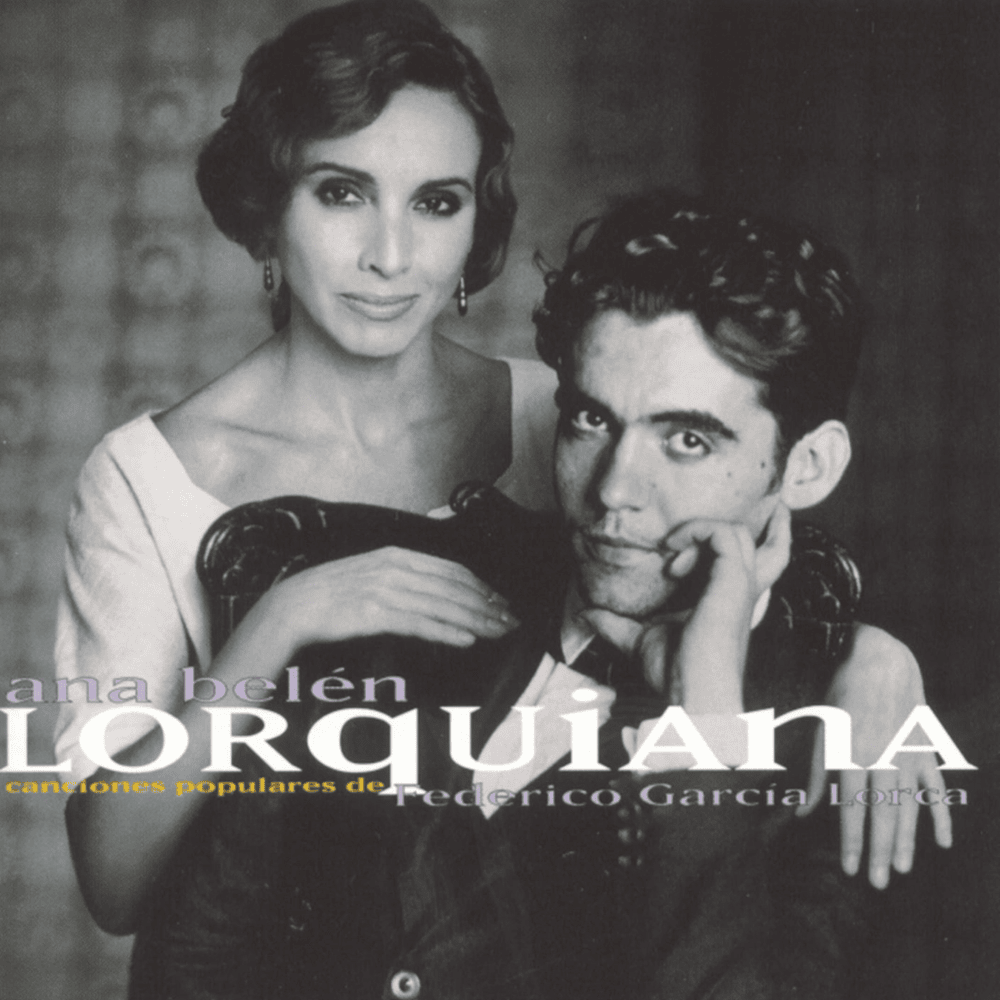
 View Artist