Song Meaning
The lyrics paint a vivid picture of a passionate, yet destructive, relationship. The narrator compares the couple to "locas cometas" (crazy comets) and "niños perdidos" (lost children), suggesting a chaotic, almost fated trajectory towards an impossible "país del deseo" (country of desire). This intense, perhaps reckless, pursuit is framed by contrasting imagery of "fuego y de hielo" (fire and ice), highlighting the volatile nature of their connection. They are likened to "la voz y su propio eco" (the voice and its own echo), implying a deep, perhaps inescapable, resonance between them.
The central tension lies in the duality of their relationship, encapsulated by the repeated refrain: "Es bueno para ti, es bueno para mí / Es malo para ti, es malo para mí" (It's good for you, it's good for me / It's bad for you, it's bad for me). This paradox suggests a love that is simultaneously exhilarating and damaging, a force that brings pleasure but also pain. The narrator describes them as "viejos soldados, cansados y enfermos" (old soldiers, tired and sick) engaged in a "guerra en marcha contra el desaliento" (war against discouragement), indicating a long, arduous struggle within their bond.
A striking element is the recurring image of a "tren que nos lleva al infierno" (train that takes us to hell), emphasizing a sense of inevitable doom or a self-destructive path they are on. Despite this, there's a shared understanding: "tú y yo sabemos cuál es el juego" (you and I know the game). This awareness adds a layer of fatalism, as they seem resigned to playing out this dangerous dynamic. The lyrics also touch on the fear of quantifying dreams, with the insistent repetition of "No queremos saber el precio de un sueño" (We don't want to know the price of a dream), suggesting a desire to preserve the idealism of their aspirations, even if the reality of their relationship is grim.
This song resonates because of its raw portrayal of a love that defies easy categorization. The juxtaposition of intense desire with inevitable consequence, and the acknowledgment of their shared, perhaps doomed, journey, creates a compelling emotional landscape. The craft lies in the potent, often contradictory, imagery and the insistent, almost hypnotic, refrain that captures the addictive, yet harmful, nature of their connection, making the listener question the true cost of such passionate entanglement.
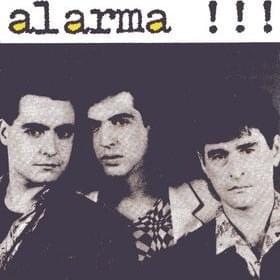
 View Artist