Song Meaning
The lyrics paint a picture of someone grappling with the aftermath of a broken relationship, where the narrator feels they've sacrificed everything for their partner. The opening lines, "Slomila sam sto kafana / Uvek bila žena-dama," suggest a history of effort and perhaps even a loss of self in trying to provide a better life. This is immediately contrasted with the pain of seeing that life now shared with someone else, a stark betrayal of the narrator's sacrifices. The core of the song lies in this intense emotional conflict: the lingering possession of the partner's heart versus the narrator's profound loneliness and despair.
The narrator's plea is desperate and physical, a raw expression of wanting to escape the pain. The repeated refrain, "Dajte mi dana da ga prebolim / Vina i kafana, da zaboravim / Vežite mi ruke da ga ne grlim / I oči, da ga više ne vidim," highlights a desire for oblivion and physical restraint to prevent further hurt. This isn't just about emotional healing; it's a demand for external forces to intervene and literally stop the narrator from acting on their lingering attachment. The wish for a replacement, "Pa mi dajte nekog drugog, da ga zavolim," underscores the depth of their current suffering and the need for a new emotional anchor.
A striking image emerges in the pre-chorus: "Dok ja sama s Ciganima / Kô brilijante nižem zore." This paints a solitary figure, perhaps in a bar or a place of revelry, but alone, stringing together dawns like diamonds. It's a beautiful but melancholic picture of enduring pain through sleepless nights, where time itself becomes a burden rather than a healer. The second verse introduces a bitter, almost vengeful tone, "Naplatite moje boli / Nek joj kupi sve sto voli / Nek joj suze izdajice / Skinu lažne trepavice." The narrator seems to wish the new partner ill, projecting their own pain onto the situation and demanding that the cost of their suffering be paid, even if it means the new relationship is built on a foundation of the narrator's past sacrifices.
Ultimately, the effectiveness of these lyrics stems from their unflinching portrayal of heartbreak as a physical and emotional prison. The narrator doesn't just feel sad; they feel trapped, demanding that their very senses be taken away to achieve a semblance of peace. The contrast between the narrator's past efforts to build a life and their current state of despair, coupled with the vivid imagery of solitary nights and a desire for enforced detachment, creates a powerful and relatable expression of profound loss and the desperate search for a way to move on.
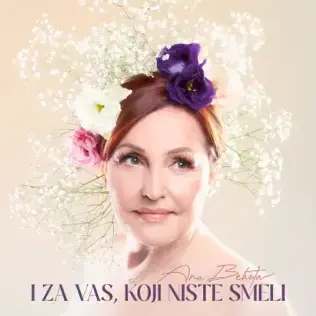
 View Artist