Song Meaning
The narrator asserts a unique, solitary claim to a specific "cantiga," a song or tune, stating "Só eu, mais ninguém" – only me, no one else. This establishes an immediate sense of isolation and singular ownership over this particular expression. The lyrics then pivot to a hypothetical past, questioning if they could have foreseen their current circumstances, suggesting a sense of bewilderment about how things "veio a calhar," or came to be. This sets up a central tension between personal agency and an unchangeable fate.
The core of the song seems to grapple with the powerlessness of knowing what might have been. The repeated phrase "Se eu, se eu pudesse prever as coisas" (If I, if I could foresee things) highlights a deep regret or longing for a different outcome. However, this hypothetical is immediately countered by the stark reality: "Mas eu, mas eu / Nada posso fazer" (But I, but I / Can do nothing). The narrator feels trapped by a "vaidoso cabotino" (vain, arrogant) destiny that cannot be altered, amplifying a feeling of resignation.
The most striking element is the contrast between the internal cry and the external silence. The narrator is left "a gritar / Um grito mudo que enche o ar" (shouting / A mute scream that fills the air). This paradox of a silent, yet pervasive, scream powerfully conveys an intense, inexpressible anguish. The relentless repetition of "Só eu, só eu" in the chorus, interspersed with "Mais ninguém, não," reinforces this profound sense of being utterly alone in their suffering and their unique, unshareable experience.
Ultimately, the lyrics resonate because they articulate a universal feeling of being overwhelmed by circumstances beyond one's control, yet they do so through a very specific, almost claustrophobic lens of solitary experience. The craft lies in the stark pronouncements of isolation and the haunting image of the unheard scream, making the narrator's internal struggle palpable and deeply affecting.
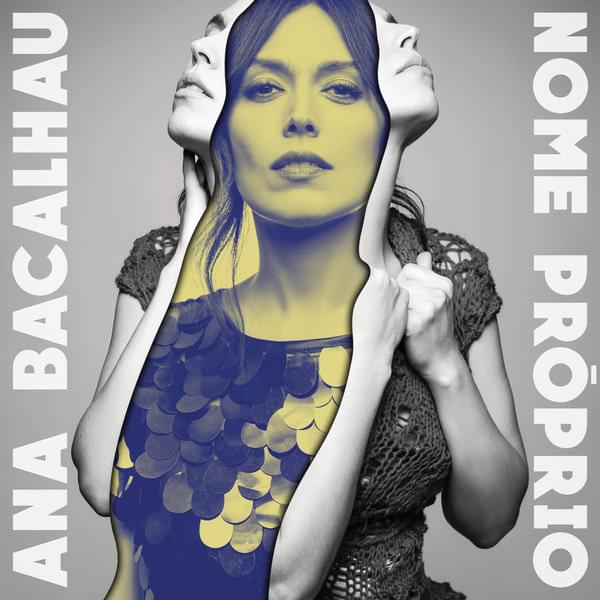
 View Artist