Song Meaning
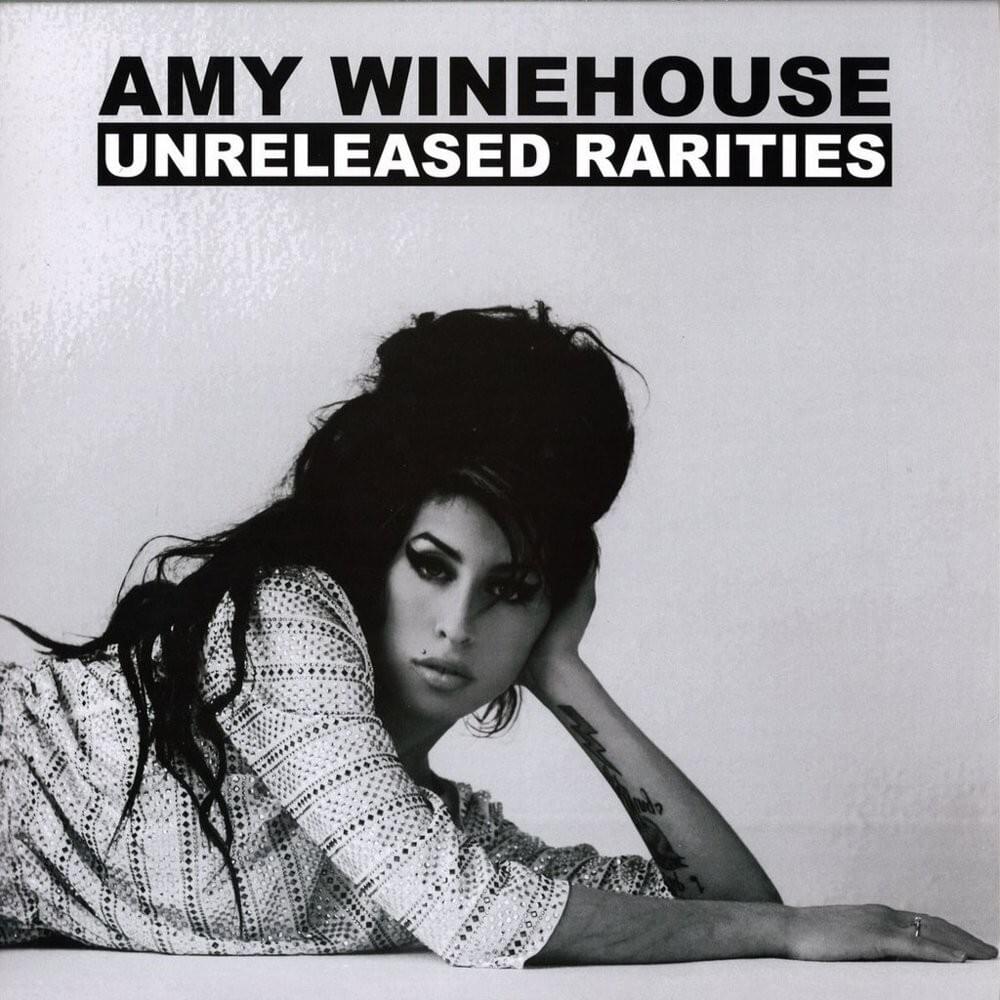
{"song_id": 11877043, "meaning": "Amy Winehouse's unreleased track \"Housewife\" is a defiant, if somewhat sardonic, rejection of traditional domestic roles. It's a fascinating glimpse into the singer's psyche, a raw articulation of her desire for autonomy and a life built on self-defined terms. The lyrics drip with a self-aware arrogance, a refusal to conform to societal expectations of women, particularly the pressure to marry and raise a family. Winehouse isn't interested in settling down; she envisions a future where she's spitting \"sexy rhymes\" from a house overflowing with cars, a life built entirely around herself and her ambitions. The repeated \"me, me, me, me, me, me, me\" isn't just narcissism; it's a mantra of self-preservation in a world that constantly tries to diminish women's identities.
The chorus amplifies this rejection of domesticity. Winehouse bluntly admits she doesn't like kids, can \"barely cook a meal,\" and struggles to express her feelings, even to close friends. This isn't a lament; it's a declaration of independence. She's not apologizing for her perceived shortcomings as a potential wife or mother. Instead, she's prioritizing her own emotional well-being and creative pursuits. The line \"My work ethic could be better / And I'm doing what I can\" offers a vulnerable counterpoint to the preceding bravado, suggesting an internal struggle with self-doubt, yet ultimately reinforces her commitment to her own path.
The second verse adds a layer of complexity. Winehouse acknowledges her youth and hints at a transactional view of relationships (\"I'll take the highest bid\"), which could be interpreted as a defense mechanism against emotional vulnerability. The concluding line, \"And I just don't get lonely,\" is perhaps the most telling. It's a powerful statement of self-sufficiency, a refusal to be defined by her relationship status or perceived lack thereof. \"Housewife,\" then, isn't just a song; it's a manifesto of self-reliance, a refusal to compromise one's identity for the sake of societal expectations. It’s a brutally honest portrayal of a woman carving her own space in a world that often tries to box her in."}
 View Artist