Song Meaning
The lyrics paint a picture of a relationship teetering on the edge, where the sweetness is undercut by a hidden pain. The narrator grapples with the decision to leave, acknowledging that when something brings poison, saying goodbye might be the wisest course. This sets up a central tension between the allure of the relationship and the underlying hurt it causes.
The core conflict seems to be the narrator's struggle to reconcile the pleasure derived from their partner with the inevitable sorrow. The partner's kiss is described as tasting of rum, and the narrator calls them "rumbero," suggesting a lively, perhaps intoxicating, but potentially unreliable presence. The repeated plea, "Tú sabes como hacerme reír mi bien / No me hagas llorar," encapsulates this duality – the ability to bring joy juxtaposed with the potential for tears.
A striking image emerges in the verse about someone claiming not to want a person, yet their path to that person's house remains untrodden, implying a persistent, perhaps hidden, connection. The narrator then uses vivid, almost playful, animal metaphors – "mi Iguana sí / Que te quiero camaleón" – to express affection. These terms, while affectionate, also hint at traits like changeability or a certain wildness, further complicating the emotional landscape.
The effectiveness of these lyrics lies in their directness and the relatable emotional push-and-pull. The contrast between the "puerto claridad" (port of clarity) the narrator is trying to reach and the potentially murky reality of the relationship creates a compelling narrative. The repeated phrase "Puerto claridad" acts as both a destination and a state of mind, a desired clarity that the narrator is actively seeking amidst emotional confusion.
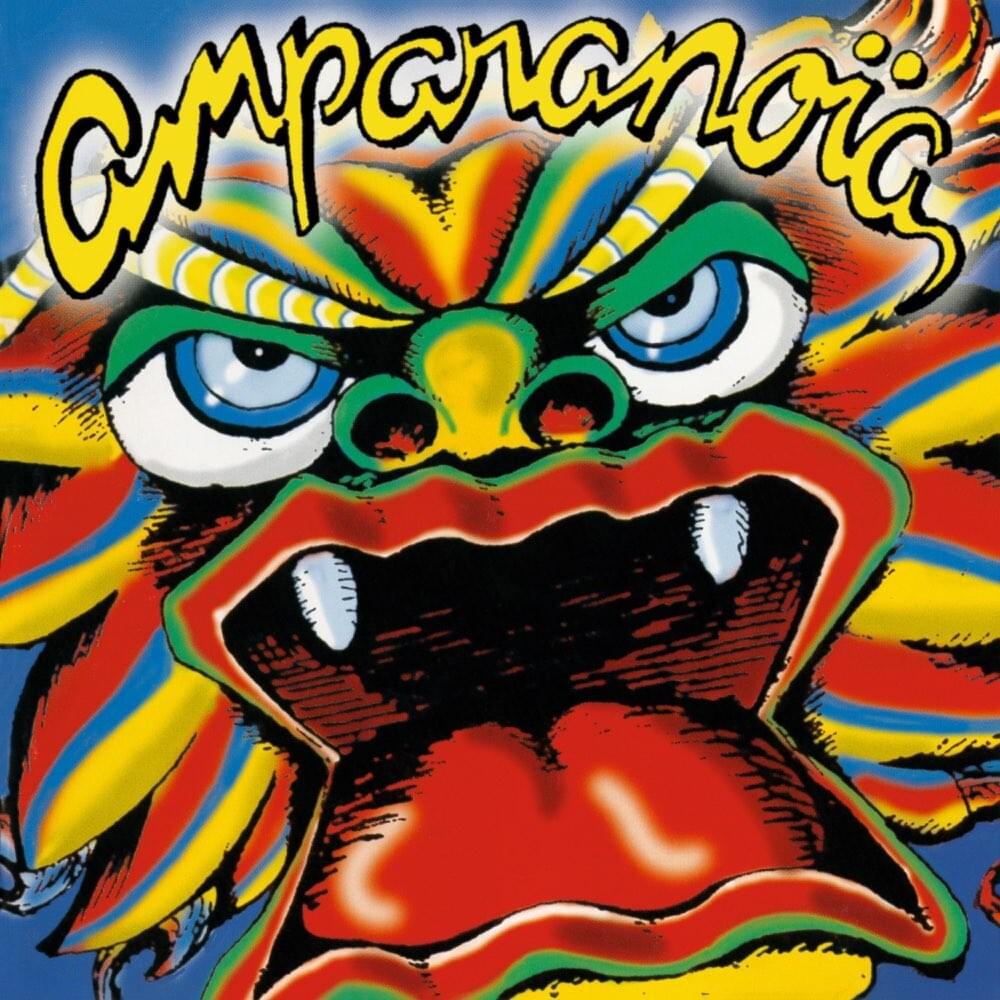
 View Artist