Song Meaning
The narrator wakes up with a profound sense of unease, a feeling so pervasive it's immediately tied to the absence of his shoes. This isn't just a bad mood; it's the "old walking blues," a state of being that signals an impending departure, a forced exit from a situation where he feels "robbed blind" and "mistreated." The repetition of waking and searching for shoes emphasizes the sudden, disorienting nature of this realization, setting a tone of weary resignation.
The core tension arises from a deep sense of injustice and a paradoxical indifference to death. The narrator declares he's "leaving in the morning if I have to, robbed blind" and "don't mind dying," suggesting a breaking point where his current circumstances are so unbearable that even the ultimate consequence holds little fear. This extreme statement highlights the severity of the mistreatment he perceives, pushing him towards a desperate escape.
A striking image emerges with the description of a woman possessing a "Belgium movement from her head down to her toes," who is "Breaking on a dollar 'most anywhere she goes." This suggests a captivating, perhaps destructive, force or a woman of considerable allure and mobility, contrasting with the narrator's own trapped and mistreated state. The phrase "electric pantin', some electric chillin' cryin'" further amplifies the chaotic emotional state, a desperate attempt to shake off the blues that only leads to further confusion and misjudgment.
Ultimately, the lyrics convey the crushing weight of feeling wronged and the desperate need to escape, even if it means facing an uncertain future or even death. The narrator's assertion that the "walking blues ain't bad" is immediately undercut by his own experience, calling it "the worst old feelin' I 'most ever had." This direct contradiction underscores the profound, debilitating nature of his emotional state, making the blues a deeply personal and agonizing experience rather than a mere inconvenience.
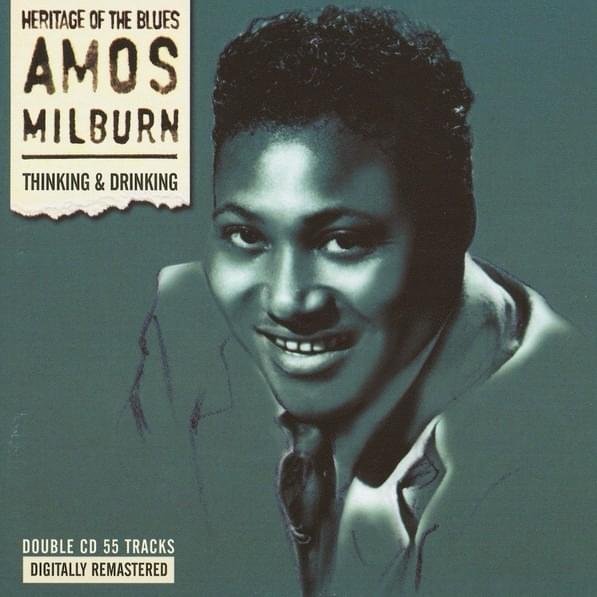
 View Artist