Song Meaning
The lyrics immediately dismiss a fanciful origin story for the kantele, stating, "Truly they lie, they talk utter nonsense." Instead, the song posits a more somber, human-derived creation myth. The instrument isn't born of divine hands or mythical beasts, but rather forged from the raw materials of suffering and hardship. This sets a tone of grim realism, grounding the instrument's existence in lived experience rather than abstract legend.
The central tension lies in the contrast between the expected joy of music and the painful reality of its construction. The kantele's "belly out of hard days," its "soundboard from endless woes," and its "strings gathered from torments" paint a stark picture. This isn't a celebration of musical creation, but an acknowledgment of the pain that often fuels artistic expression. The repeated assertion that the fanciful origin stories are false underscores the deliberate choice to focus on this more melancholic genesis.
The most striking aspect is the personification of the instrument's components as vessels of suffering. The lyrics meticulously detail how each part – belly, soundboard, strings, pegs – is derived from specific forms of distress. This detailed breakdown transforms the kantele from a mere object into a tangible embodiment of grief. The repeated chorus reinforces this, hammering home the instrument's painful origins with each iteration.
Ultimately, the lyrics resonate because they tap into the idea that profound art often arises from struggle. The kantele, as described, "will not rejoice at all" and cannot "play to please" in a conventional sense. Its purpose, it seems, is not to offer simple escapism, but to reflect the very real "cares" and "sorrow" from which it was "molded." This makes the music, by extension, a powerful, albeit somber, testament to the human condition.
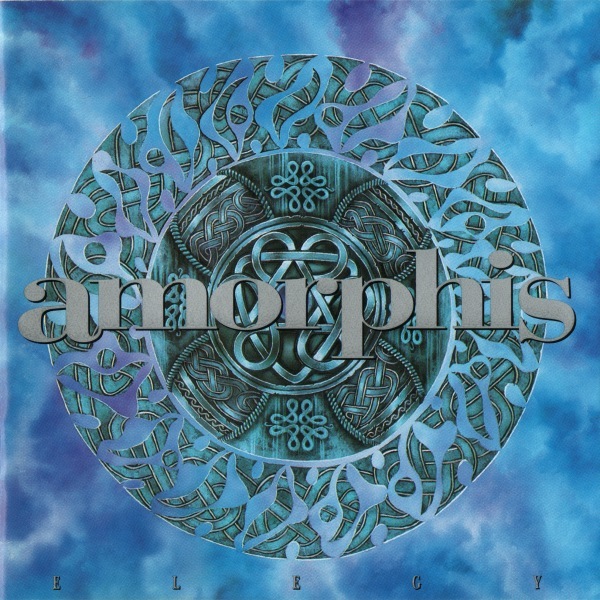
 View Artist