Song Meaning
The lyrics paint a stark, almost primal scene of death by drowning. The narrator's initial actions are simple: "I went to wash at the shore," "I went to bathe in the sea." This peaceful imagery quickly turns grim as the narrator declares, "There I, a hen was lost," and ultimately, "I, a bird, ultimately died." The repeated use of animalistic terms like "hen" and "bird" strips away human identity, emphasizing a raw, elemental demise. The intro's single word, "Die," sets an immediate, unsparing tone for the tragedy that unfolds.
The central horror lies in the physical dissolution of the narrator's body. The repeated chorus, "Waters of the sea / So much blood of mine / Fishes of the sea / So much flesh of mine," is a visceral and unsettling image. It suggests a complete and brutal consumption, where the narrator's very being becomes sustenance for marine life. This isn't just death; it's an obliteration of self, a gruesome transformation into the sea's ecosystem.
The most striking element is the plea in the second chorus: "Let not my brother / Ever in this world / Water his warhorse / Upon the seashore." This shifts the perspective from the deceased to a living relative, introducing a layer of desperate warning. The image of a "warhorse" being watered at the shore implies a future conflict or a dangerous proximity to the site of the narrator's demise. It’s a plea to prevent a recurrence, a desire to shield a loved one from the same fate.
This song's power comes from its unflinching, almost folkloric depiction of death and its aftermath. The simple language and stark imagery create a haunting effect, making the physical disintegration feel both inevitable and deeply disturbing. The final, repeated chorus of the narrator's body being consumed by the sea, juxtaposed with the warning to the brother, leaves a lingering sense of dread and loss.
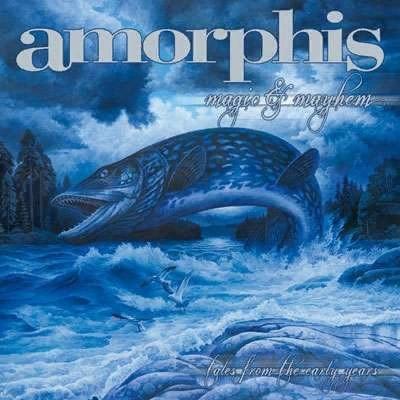
 View Artist