Song Meaning
The lyrics paint a picture of someone grappling with self-inflicted isolation after a "silly mistake." The narrator clutches a pillow, words stinging their eyes, admitting "its all my fault." This internal turmoil creates a jarring emotional paradox: "How can I hurt so happy / Be so full of hate." It’s a raw depiction of regret and self-punishment, where the pain of a past action is so profound it warps present feelings.
The central conflict is the narrator's deliberate act of self-sabotage, "Keeping my hands tied." This isn't about external restraint but a conscious decision to prevent further damage, a desire to "not fuck it up again." This internal binding extends to relationships, as the narrator admits to "Pushing them once too often" and preemptively tells friends "Don't come out and see me," even adding a self-deprecating "You probably don't want to anyway." The repetition of "Keeping my hands tied" hammers home the cyclical nature of this self-imposed exile.
The most striking aspect is the narrator's paradoxical emotional state. The phrase "hurt so happy" is a potent, almost surreal, descriptor of their current feeling. It suggests a strange comfort or familiarity in the pain, a state where the negative emotions are so overwhelming they eclipse any potential for positive feeling, or perhaps the regret itself has become a perverse source of validation. This internal contradiction highlights the depth of their self-blame and the difficulty of escaping it.
This writing is effective because it grounds complex emotional states in relatable, albeit painful, imagery. The physical act of holding a pillow and the mental sting of words are tangible anchors for the abstract feelings of regret and self-loathing. The direct, almost blunt, confession of "its all my fault" and "don't fuck it up again" bypasses flowery language, hitting the listener with an uncomfortable honesty that captures the isolating sting of profound personal error.
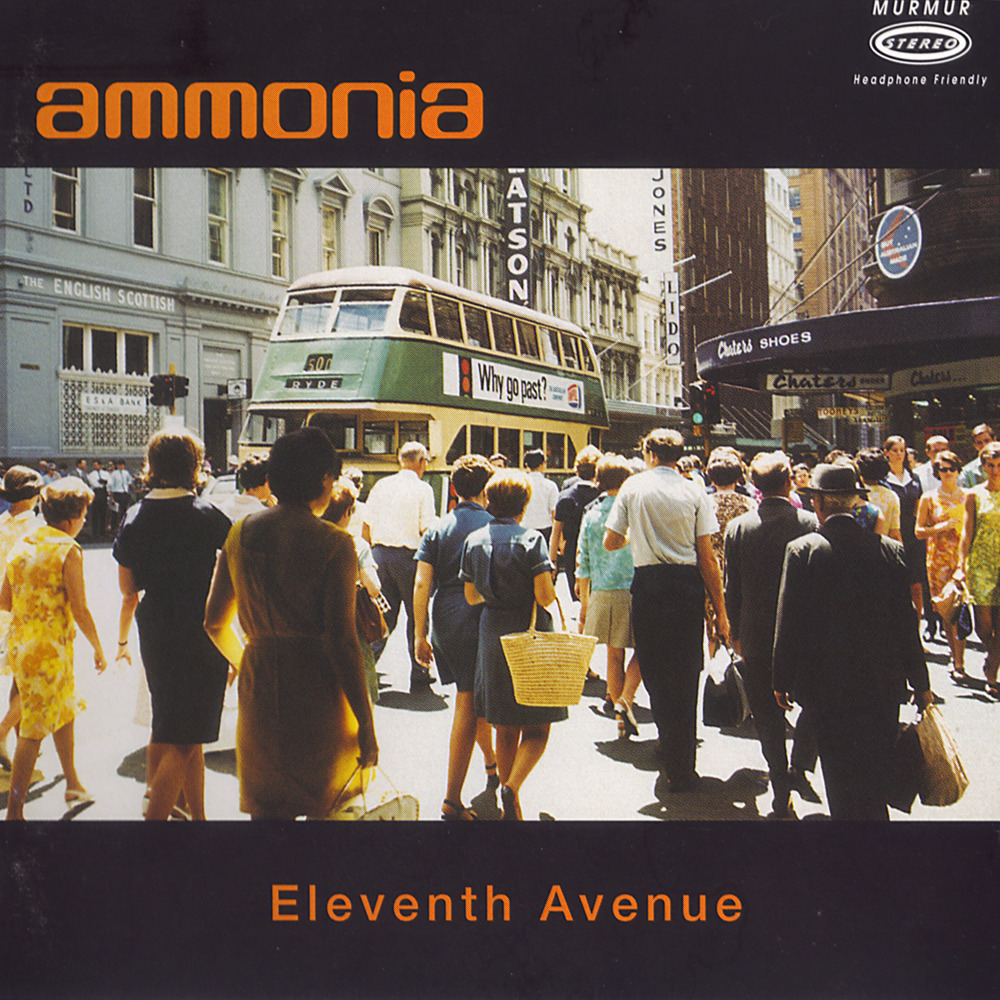
 View Artist