Song Meaning
The lyrics paint a picture of someone feeling utterly stuck, a state captured by the repeated word "متكتف" (metkatef), meaning tied up or bound. This isn't just a physical restriction; it's an emotional and existential paralysis. The narrator is simultaneously burdened by sorrow and pain ("مهموم موجوع") yet possesses a core of bravery ("شجاع"), highlighting an immediate internal conflict. They are full of dreams but feel constrained, leading to a sense of brokenness and a desperate, futile struggle against fate, as if "breaking the oars" ("بكسر في المقاديف").
This feeling of being trapped is further emphasized by the imagery of the "ساقية" (sakiya), a water wheel that moves in a constant, repetitive cycle. The narrator feels "مشدود في الساقية" (tied to the water wheel), implying a life of monotonous labor and inescapable routine, yet paradoxically claims to be "مبسوط" (happy) within it. This stark contrast between outward contentment and inner turmoil is a central tension, amplified by the rapid shifts between being "حزين ومحبط" (sad and frustrated) and "جريء ورزين" (bold and composed). The narrator appears to be a volatile mix, capable of sudden outbursts like a "بركان جبار" (mighty volcano), embodying a duality of "ضلمة وليل" (darkness and night) and "نار ونهار" (fire and day).
The second verse introduces a sense of predetermined destiny, a "طريق مكتوب مرسوم" (a written, drawn path). However, the narrator doesn't abdicate responsibility, accepting blame and acknowledging their own imperfections, stating they are neither "إبليس" (Satan) nor a "رسول" (messenger). This suggests a struggle with agency within a seemingly fated existence. The repeated line, "قدامي طريق همشيه همشيه" (A path lies before me, I will walk it, I will walk it), conveys a resigned determination to follow this path, even without understanding its ultimate purpose, asking, "نفهم في الآخر كل ده ليه" (Why will we understand all this in the end?).
Ultimately, the power of these lyrics lies in their raw portrayal of internal contradiction and the struggle against an overwhelming sense of being bound. The juxtaposition of opposing emotions and states of being – brave yet weak, happy yet sad, free-willed yet fated – creates a deeply resonant portrait of human complexity. The writing effectively captures the feeling of being caught in a cycle, yearning for understanding while simultaneously accepting the inevitability of the path ahead.
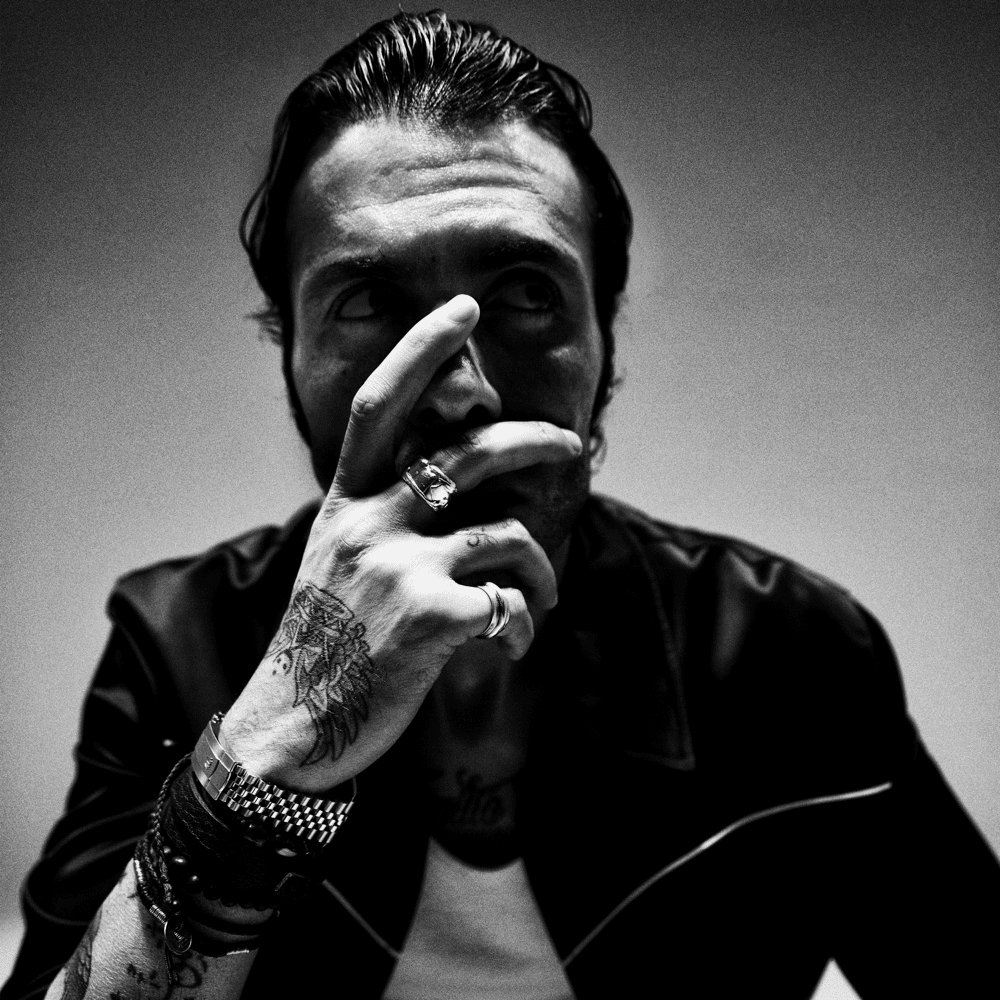
 View Artist