Song Meaning
The narrator, at 39, feels stuck, caught between a present reality and an unresolved internal conflict. They describe a "portrait of a perfect life" with "two lovely kids, a loving wife," yet immediately qualify it by stating they are "a servant to the things I can't control." This sets up a core tension: the outward appearance of success versus an inner feeling of being trapped and powerless.
The central emotional struggle revolves around a "dark corner" in the heart that has "a space for everyone." This suggests a deep-seated emptiness or a capacity for all kinds of feelings, perhaps even negative ones, that the narrator can't reconcile with their efforts to maintain a stable, controlled existence. The repeated line, "I give it all and try until my river is dry," highlights a relentless effort that paradoxically leads to feeling "less when everyone moves on," implying a fear of stagnation or being left behind despite their best efforts.
The lyrics offer a striking image of being "trapped in an adolescent cage," even at 39, still "pondering the future." This contrast between adult responsibilities and a lingering, unresolved youthful introspection is a key craft element. The narrator questions their own past actions, asking "where we took the fall?" but admits they "can't remember," further emphasizing a sense of confusion and a lack of closure regarding past mistakes or turning points.
This piece hits hard because it articulates a common, yet often unspoken, adult anxiety: the disconnect between the life we build and the internal peace we seek. The narrator's honest admission of feeling "less" despite giving "all" and their self-doubt about being stuck in a "cage" creates a raw, vulnerable portrait of striving without fulfillment, making the internal "dark corner" feel profoundly real.
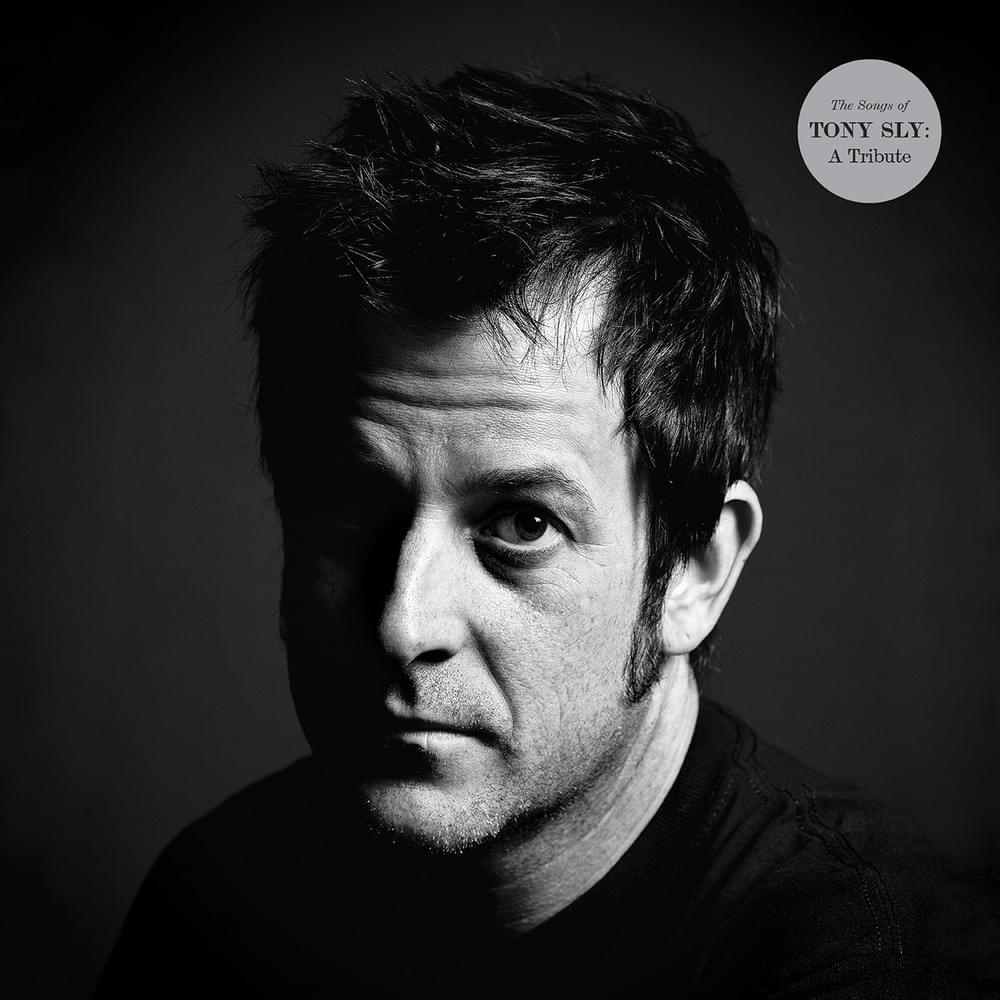
 View Artist