Song Meaning
The lyrics paint a vivid picture of longing for a distant lover, specifically a musician. The narrator recalls a past encounter, "before the second show," where the musician's "guitar, it sounds so sweet and clear." However, this memory is immediately undercut by the stark reality: "But you're not really here / It's just the radio." This establishes the central tension: the profound emotional connection felt through music versus the physical absence of the person. The narrator is caught in a loop of memory and present loneliness, amplified by the very medium that brings the musician's voice and sound into their life.
The core of the song's emotional weight lies in this bittersweet disconnect. The repeated pleas, "Don't you remember you told me you loved me baby" and "You said you'd be coming back this way again baby," highlight a desperate attempt to hold onto past promises. The sheer repetition of "baby, baby, baby, baby, oh, baby" functions like a mantra, a desperate incantation to conjure the absent lover, underscoring the narrator's overwhelming need and the perceived unreliability of the musician's return. This isn't just missing someone; it's a profound ache amplified by the phantom presence of their art.
The craft here is deceptively simple, relying heavily on repetition and a direct, almost childlike address. The contrast between the "sweet and clear" sound of the guitar and the painful reality of it being "just the radio" is a masterful stroke, showing how art can both connect and isolate. The narrator's plea, "What to say to make you come again," reveals a sense of powerlessness, as if they must somehow engineer the musician's return, rather than simply waiting. The song's effectiveness stems from this raw, unvarnished expression of yearning, where the music itself becomes both the source of comfort and the painful reminder of what's missing.
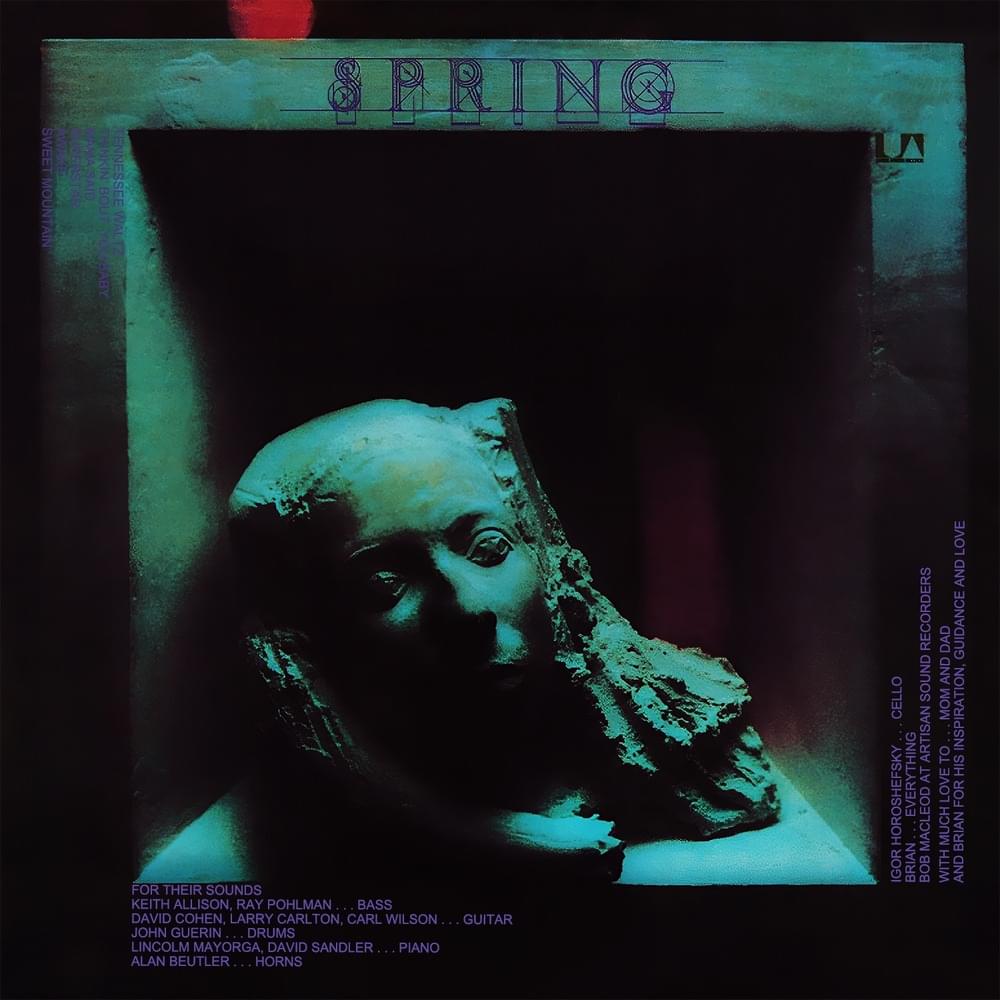
 View Artist