Song Meaning
The lyrics paint a stark picture of a relationship's end, marked by a sense of obligation and loss. The opening lines, "There is nothing but compulsion here / You lost something in return," immediately establish a tone of forced connection and unequal exchange. The narrator apologizes for a lack of clarity, but quickly pivots to accusatory language: "you were busy taking life out of my lungs." This suggests a draining dynamic where one person's actions actively harmed the other.
The central tension lies in the narrator's departure and the other person's supposed growth. The lines "Sometimes all yer friends will disappear / There's no promise you'll be fine" hint at isolation and uncertainty for the person being left. Yet, the narrator also states, "I am sorry that I won't be here / You are improving, getting stronger all the time." This creates a complex emotional landscape, where the narrator acknowledges the other's progress even as they announce their own exit, possibly implying their presence was a hindrance.
The chorus offers a glimmer of hope, albeit a dark one. "And if you cannot breathe again / You will find a moment when / You don't miss the way you hated you back then." This suggests a past self-loathing that the narrator's presence perhaps exacerbated or that the other person is now overcoming. The phrasing implies that healing isn't about regaining what was lost, but about reaching a point where the pain of the past, and the memory of self-hatred, simply fades into insignificance, a testament to resilience born from difficult circumstances.
Ultimately, the effectiveness of these lyrics stems from their unflinching honesty about the painful realities of codependency and separation. The narrator doesn't offer platitudes; instead, they articulate a difficult truth: sometimes, leaving is necessary for growth, even if it means acknowledging the damage done and the uncertain future for the one left behind. The contrast between the initial "compulsion" and the final hope of not missing a hated past self highlights a profound, albeit somber, transformation.
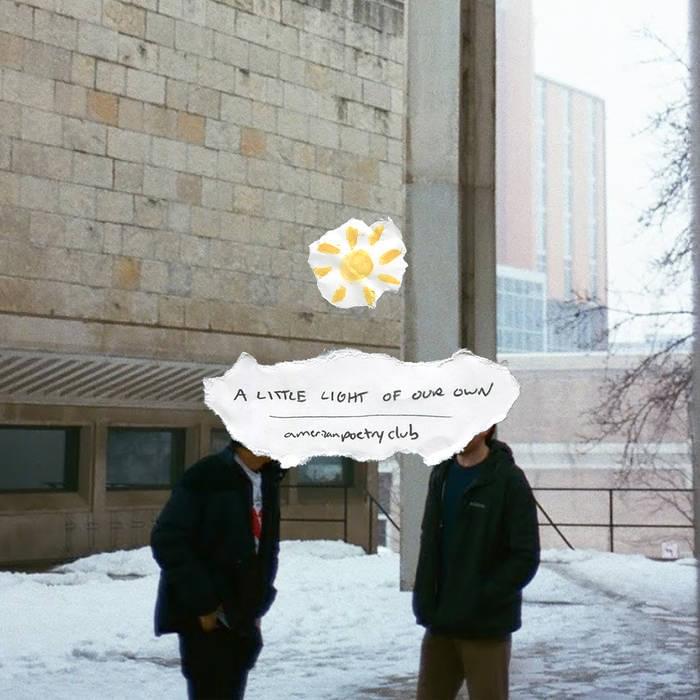
 View Artist