Song Meaning
The lyrics paint a picture of profound heartbreak and abandonment, expressed in a lament that feels both personal and deeply traditional. The narrator is pleading with a "jolie" (pretty one) and "tite fille" (little girl), questioning how they will manage now that they've been left alone. There's a sense of desperation as the narrator asks, "O, tit monde, qui je vas faire, tite fille?" (Oh, little world, what will I do, little girl?), immediately establishing a tone of utter desolation.
The central tension revolves around a broken promise or a betrayal of affection. The narrator recalls a time when the "tite fille" supposedly expressed love, but suggests that external "rapportages" (reports or gossip) have influenced her decision to leave. This external pressure seems to be the reason she's not staying, despite past affections. The narrator laments, "Quand ttais chez toi, tu vas quitter moi, tout seul" (When you were at your place, you left me all alone), highlighting the stark contrast between past closeness and present solitude.
The most striking element is the raw, almost childlike directness of the grief. The repeated "O, jolie" and "O, tite fille" function as desperate calls into the void, emphasizing the narrator's vulnerability. The line "O, cest toi la porte de voir a tavais fait avec moi" (Oh, it's you at the door to see what you had done with me) is particularly poignant, suggesting a final, painful confrontation where the narrator is forced to witness the consequences of the abandonment. The simple, repetitive structure amplifies the feeling of being trapped in a cycle of sorrow.
This lament's power lies in its unvarnished emotional expression and its grounding in specific, albeit brief, memories. The narrator isn't analyzing the situation; they are simply articulating the pain of being left. The contrast between past tenderness, like being given a hand and leaving in tears, and the current abandonment creates a palpable sense of loss. The lyrics resonate because they capture a universal feeling of being forsaken, rendered with a stark, almost elemental simplicity.
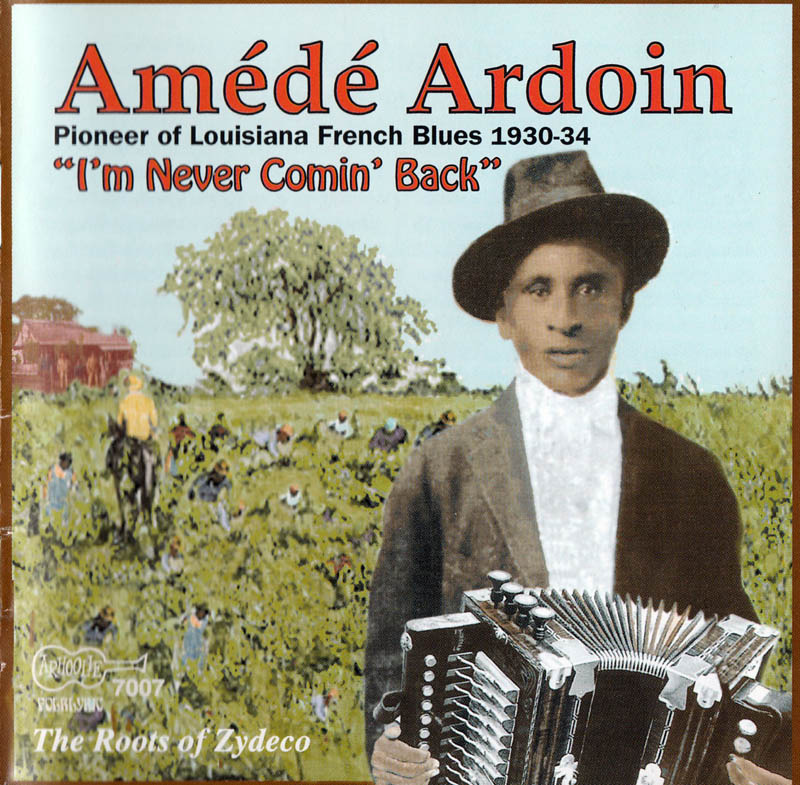
 View Artist