Song Meaning
The lyrics paint a picture of a solitary departure, a winding path leading away from someone and towards a specific destination. The repeated phrase "moi je m'en vas" establishes a sense of resolute, albeit lonely, movement. There's a clear intention to go somewhere "tout seul" – alone – yet an invitation is extended, "viens donc, me voir," creating an immediate tension between isolation and a desire for connection. This sets up a narrative of someone leaving, but not necessarily wanting to be entirely abandoned.
The central conflict appears to be the narrator's internal push and pull between independence and a lingering attachment. The destination is a "bal" – a dance or ball – specifically to see "les jolies femmes." This suggests a pursuit of pleasure or distraction, a common reason for seeking out social gatherings. However, the narrator also states "Je vas jamais encore revenir pour moi," indicating a definitive break, yet the repeated invitations to be seen suggest this departure isn't entirely final or without emotional consequence for the person being left behind.
The most striking element is the juxtaposition of the mundane "puit d'huile" (oil well) with the romanticized "bal." The narrator is going to the oil well, but not for work; it's a waypoint, a place associated with their departure, before heading to the dance. This contrast grounds the fantasy of the ball in a more gritty reality, suggesting that even escapist desires are rooted in a specific, perhaps unglamorous, context. The phrase "toi, ouais, catin" is a harsh, dismissive address, further complicating the desire for connection, hinting at a potentially fraught relationship being left behind.
Ultimately, the effectiveness of these lyrics lies in their raw, almost conversational depiction of a complex emotional state. The repetition of "moi je m'en vas" hammers home the finality of the decision to leave, while the hesitant invitations and the underlying tension reveal a reluctance to sever all ties. The imagery of the oil well leading to a dance creates a vivid, if slightly surreal, picture of someone seeking amusement and perhaps a new beginning, while still acknowledging the emotional weight of their departure.
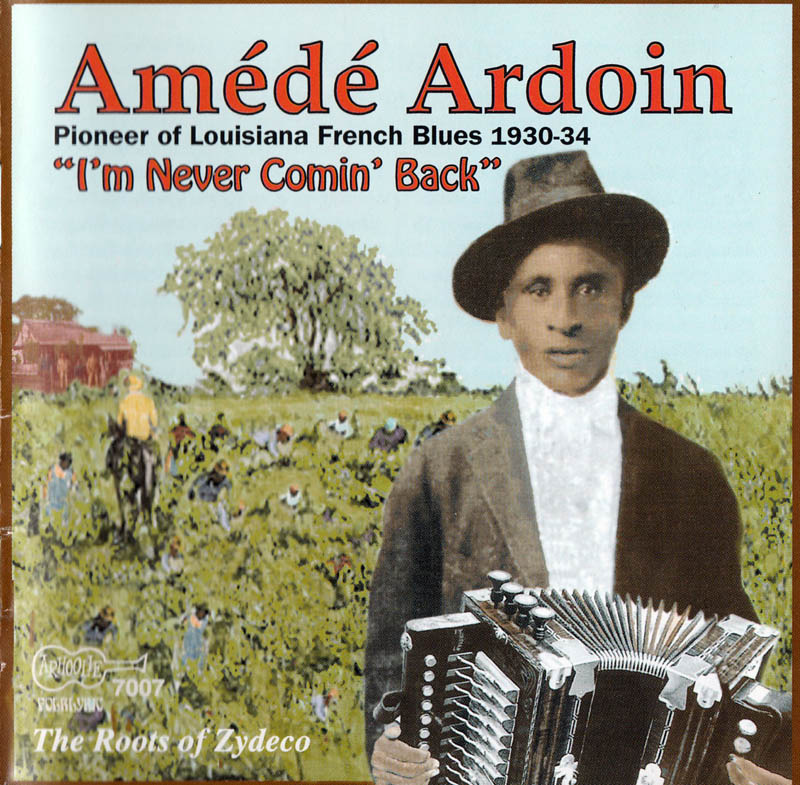
 View Artist