Song Meaning
The narrator is grappling with a difficult situation, expressing a sense of helplessness and resignation. The repeated question, "O comment je vas faire?" (Oh, how will I do it?), sets a tone of distress and uncertainty, emphasizing a feeling of being trapped. The core conflict appears to stem from external disapproval, likely from the 'tite fille's parents, which prevents the narrator from being with her.
The lyrics paint a picture of separation and longing. The narrator states, "Si tes parents veulent pas, je te demanderais pas" (If your parents don't want it, I won't ask you), indicating a reluctant acceptance of their wishes, even though it causes pain. The desire to be together is palpable, with the narrator wishing, "Je serais contente te rejoindre" (I would be happy to join you), but the circumstances, dictated by parental opposition, make this impossible. The phrase "je vas tout seul" (I'm going alone) underscores the isolation and the solitary nature of the narrator's path.
A key element of the song's craft is the direct, almost conversational address, using terms like "catin" and "'tite fille" which, while potentially affectionate, also highlight a power dynamic or a familiar, perhaps even resigned, relationship. The repetition of "'tite fille" throughout the lyrics reinforces the focus on this specific person and the narrator's emotional entanglement with her. The structure, with its recurring questions of how to proceed, mirrors the cyclical nature of the narrator's worries and inability to find a solution.
This song's effectiveness lies in its raw portrayal of thwarted desire and the quiet despair that follows. It captures a moment where external forces dictate personal happiness, leaving the narrator to navigate a path alone, burdened by the knowledge of what could be but cannot be. The simple, direct language and the persistent questioning create an intimate and melancholic mood, resonating with anyone who has faced insurmountable obstacles in a relationship.
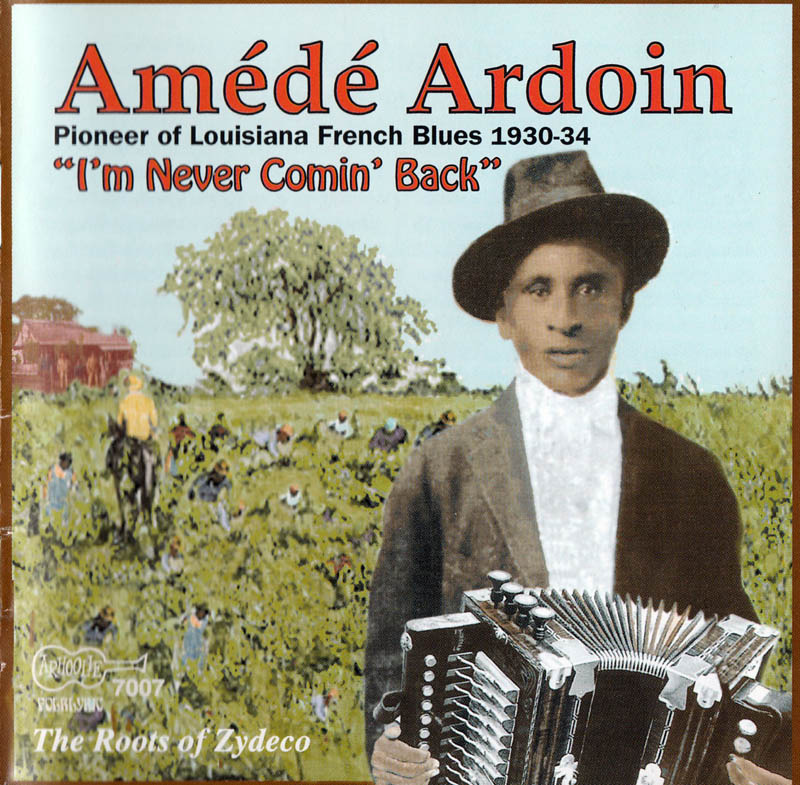
 View Artist