Song Meaning
The lyrics paint a stark picture of someone overwhelmed by grief or despair, to the point of physical incapacitation. The opening lines immediately set a tone of brokenness and attempted repair, describing a life shattered and crudely stitched back together. This fragile state is then amplified by the relentless repetition of "crying, crying, crying," which escalates from a visual impairment ("cannot see at all") to a complete loss of bodily function ("cannot breath at all"). The repeated questions, "What do you do when your alone?" and "What do you do when no one's home?" underscore a profound sense of isolation and helplessness in the face of this overwhelming emotion.
The central tension lies in the struggle against an inescapable state of distress. The narrator is trapped in a cycle of "crying" that paralyzes them, suggesting a loss of control that extends to their very existence. The verse, with its imagery of a "broken" alarm and running in a dream in "slow motion," reinforces this feeling of being stuck and unable to escape a nightmarish reality. This sense of being trapped is further cemented in the latter half of the chorus, where the phrases "You can't break away" and "What you cannot change" become a mantra of resignation.
The most striking element is the desperate plea for connection and guidance embedded within the bridge. Amidst the overwhelming "alone," the narrator asks, "Is there anyone out there?" This yearning for external help is specific: they need "details" and "a map of your mouth." This suggests a desire not just for comfort, but for concrete information or a way to understand and navigate their internal chaos, perhaps by understanding another person's perspective or guidance. The contrast between the internal breakdown and the external search for a tangible way out is particularly poignant.
Ultimately, the effectiveness of these lyrics stems from their visceral portrayal of emotional breakdown and the stark, almost clinical description of its physical consequences. The relentless repetition of "crying" and "alone" hammers home the inescapable nature of the narrator's plight. The specific, yet abstract, request for "details" and "a map of your mouth" offers a glimpse of hope, or at least a desperate need for direction, making the overwhelming sense of despair feel both profound and deeply human.
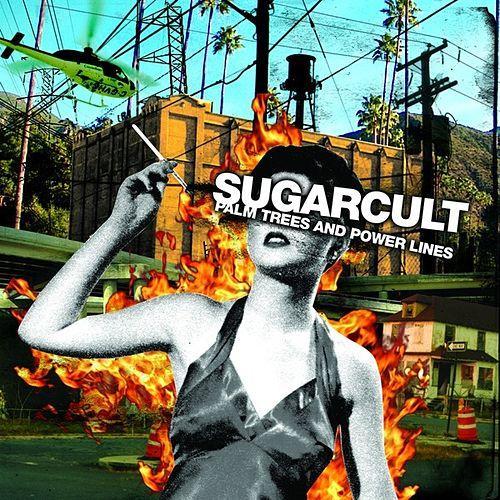
 View Artist