Song Meaning
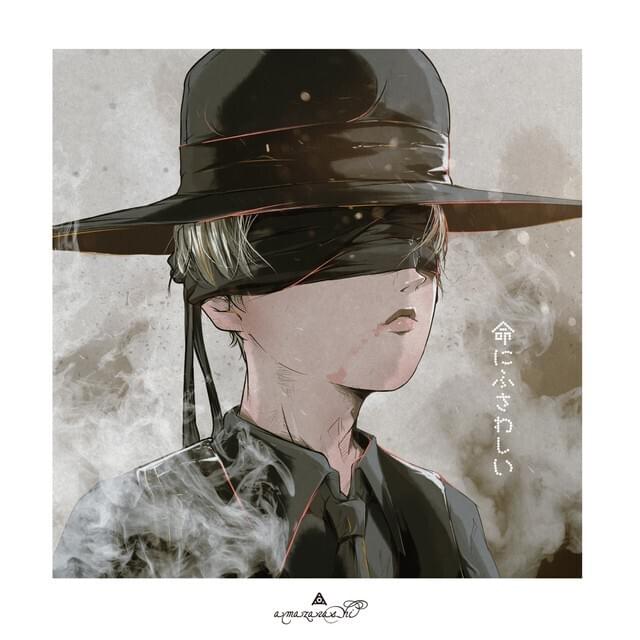
The lyrics paint a stark picture of lingering regret and a profound sense of emptiness. The narrator begins by hanging "phantoms of days gone by" on a hanger, a visual metaphor for holding onto past selves or memories. A "multitudinous boy" sees a silhouette before leaving, dressing it in a coat and sending it off "only to the wind," suggesting a futile attempt to let go of something intangible.
The act of opening the door with "numb fingers" and leaving "unresolved feelings behind" emphasizes the painful, almost physical effort of moving forward. Yet, in the bustling city, the narrator encounters "familiar faces" with "silent laughter," and the "clamor becomes silence." This jarring contrast highlights an internal disconnect, where external noise fails to penetrate a growing inner quietude.
The core tension emerges as "joy and happiness begin to inversely correlate" with the narrator's experiences, leading to "small regrets" settling in the "four corners of consciousness." This suggests that as life progresses, the capacity for genuine positive emotion diminishes, replaced by a persistent undercurrent of what-ifs and missed opportunities. The repeated observation of "deaths" and the return to an "empty room" further amplify this feeling of desolation.
What truly elevates these lyrics is the evocative imagery and the unsettling shift in perception. The narrator observes "deaths" to the point of being "sick of it," only to find that "invisible things begin to be seen" as a "pointless sunset" stirs their emotions. This culminates in the haunting refrain: "Ghost, twilight, answering machine, empty room." These elements – the spectral, the fading light, the unreturned calls, and the vacant space – coalesce into a powerful, melancholic atmosphere of profound isolation and unresolved loss.
 View Artist