Song Meaning
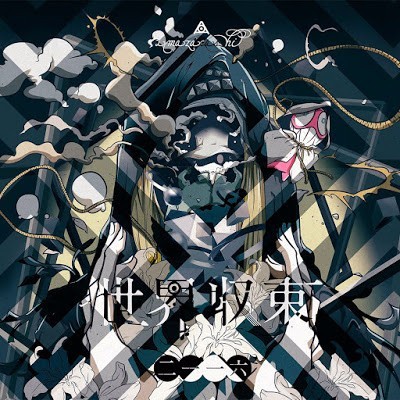
The lyrics of "Shuusoku" paint a stark, powerful picture of a post-human Earth. Seabirds cry over ruins, and the "concrete century" is now ancient history. Nature has aggressively reclaimed the land, transforming even the northern tip of Tohoku into a "subtropical rainforest." This isn't a lament, but an observation of a world reborn.
The song immediately establishes a profound contrast between humanity's past and nature's present. Our "formulas of wisdom" are now mere "hieroglyphs," forgotten relics. Corroded buildings are overrun by "proliferating encroaching plants," evoking a "Cambrian explosion" of new, untamed life. This isn't just decay; it's a powerful resurgence, a different kind of order emerging from the remnants of the old.
Amidst this transformation, the natural world hums with a raw, undeniable vitality. The brutal yet beautiful "rhythm of life and death" plays out as field mice eat fish, only to be snatched by raptors. The sounds of "growls, howls, courtship chirps" form a vibrant "life's orchestra," suggesting a complex, self-regulating system that thrives without human intervention. The absence of human noise is filled by the constant, echoing "heartbeats" of the wild.
The profound impact arrives with the realization that "peace has arrived," where there's "neither taking nor being taken," and all beings ultimately become "stardust." This redefines peace not as human-made tranquility, but as the ultimate balance of nature. The final, cutting lines deliver the ultimate reframe: "Desolate' is a human way of speaking. Because humanity is no longer here." This isn't a lament for humanity, but a powerful challenge to anthropocentric views, suggesting that what humans perceive as desolation is, in fact, nature's flourishing.
 View Artist