Song Meaning
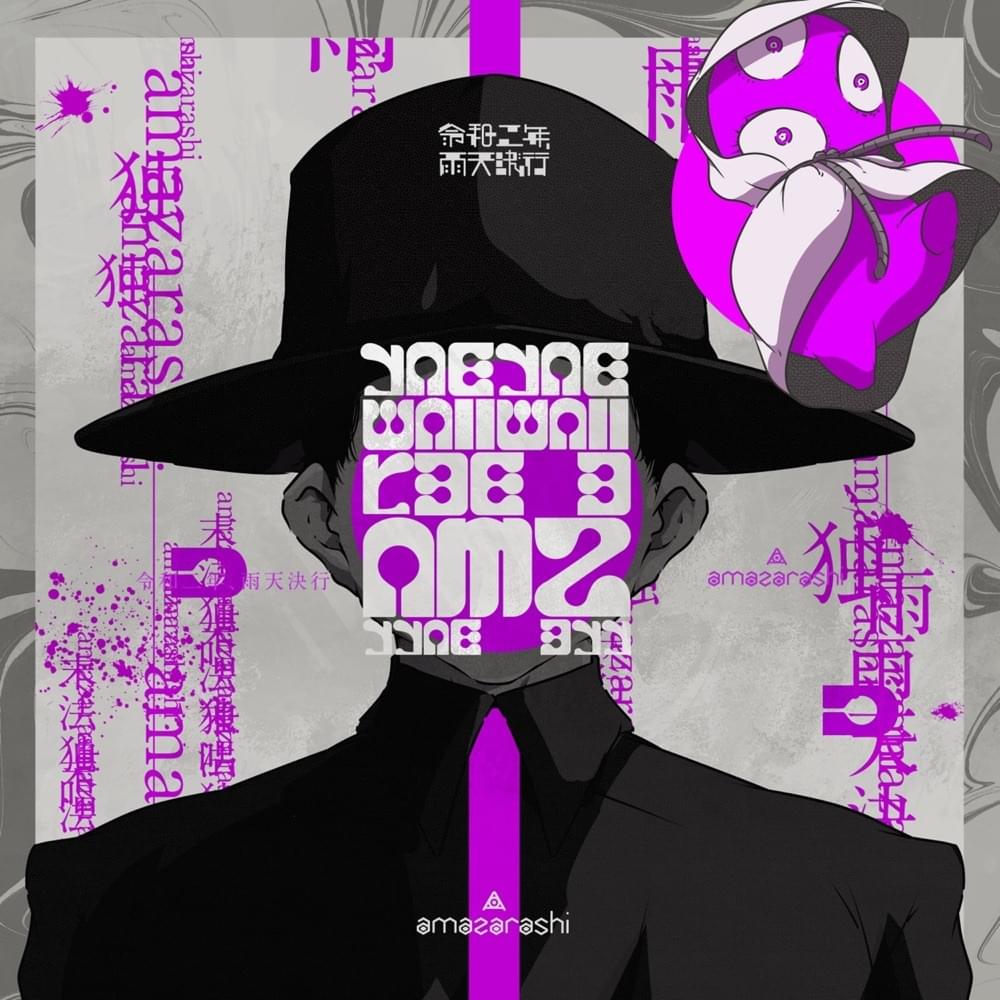
The lyrics paint a stark picture of a world on hold, specifically referencing "令和二年" (Reiwa 2), which corresponds to 2020. The opening lines immediately establish a sense of stalled momentum: a "departure day" where no one actually leaves, and a "passion" that feels distant from actual passion. This sets a tone of quiet resignation and unfulfilled potential, a feeling amplified by the mundane details of everyday life continuing amidst this stasis. The narrator observes a loved one's "humming" becoming the town's background noise, filtered through a "hesitant mask," hinting at a shared, unspoken anxiety about the present circumstances.
The central tension arises from the contrast between the desire for normalcy and the reality of widespread cancellations and postponements. Dreams are described as "unobtainable," and events like movie premieres, new tours, and even graduation ceremonies are "canceled." This enforced inactivity breeds a peculiar kind of suffering, one that is "painful precisely because it's not physical." The narrator grapples with a sense of emotional numbness, where feelings are "dying on the doorstep," unable to fully process the unsettling quiet.
A striking element is the juxtaposition of childhood innocence with the pervasive unease. Children are seen playing catch on the sidewalk, their smiles creating an "imbalance" against the backdrop of the adult world's anxieties. This is further emphasized by the poignant image of cherry blossoms blooming in a "closed-off park," unseen by anyone, a beautiful natural event occurring in isolation, mirroring the "broken promises" the narrator laments. The lyrics suggest that even in these restrictive times, life finds a way to persist, but it does so with a profound sense of loss and unfulfilled connection.
Ultimately, the effectiveness of these lyrics lies in their grounded portrayal of a collective pause. The narrator's internal conflict—whether to be a "weapon or medicine"—reflects a broader societal struggle to find meaning and agency when faced with uncertainty. The repeated phrase "令和二年" becomes a refrain for this era of disruption, culminating in the narrator being forced to lie, saying "it'll be okay" when the future is "unseen." This raw honesty about manufactured reassurance captures the emotional weight of living through a period where simple acts, like seeing a loved one off to buy groceries, carry a heavy burden of worry.
 View Artist