Song Meaning
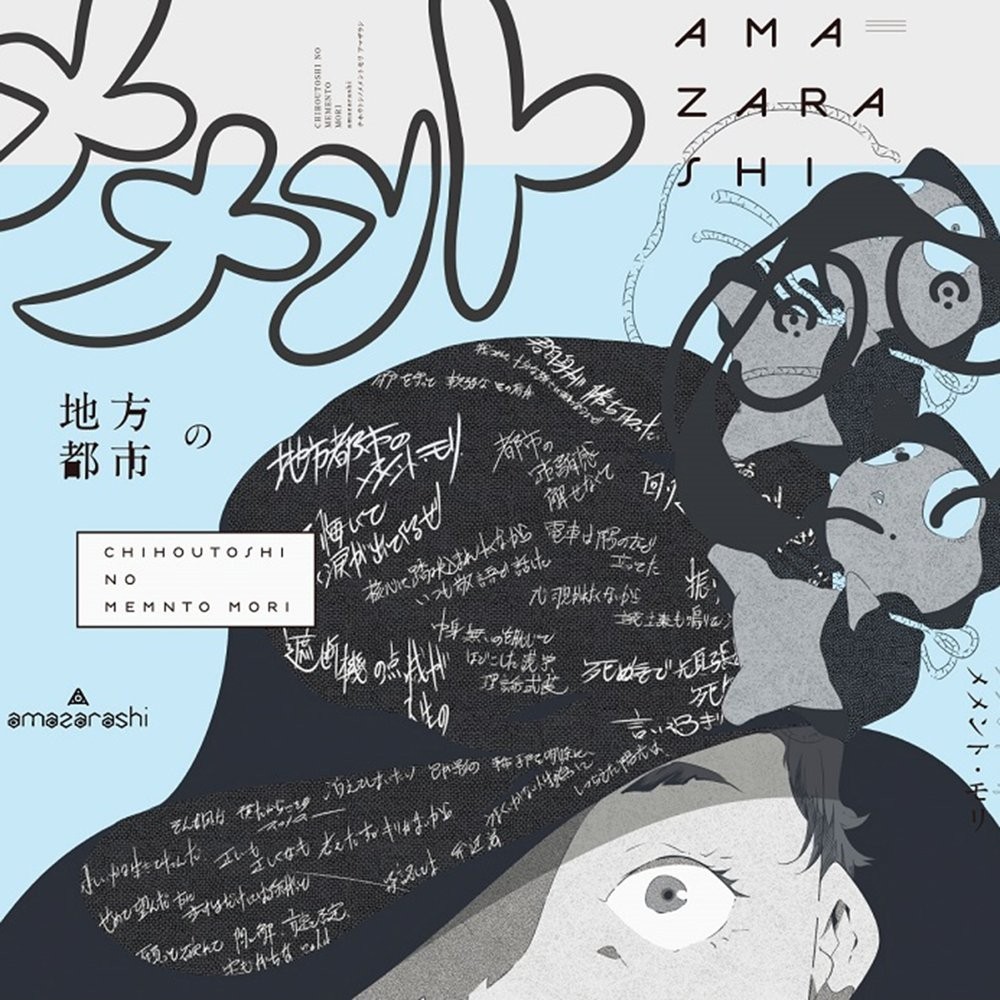
The lyrics paint a stark picture of a creature, a "monster" that literally consumes lies. It's first encountered like a stray dog, pathetic and broken, a stark contrast to the harsh "midsummer sun." This initial image sets a tone of desperation, where the narrator offers a lie to this beast, a transactional exchange born from a place of profound internal struggle. The creature's hunger for these falsehoods becomes a central, unsettling motif.
The core tension lies in the narrator's pervasive dishonesty, a desperate attempt to maintain appearances. They claim to go to school on time and that they had fun, all while admitting they "want to disappear." This internal conflict is amplified by the creature's growth; as it devours more lies, it physically expands, mirroring the narrator's own escalating deception. The narrator feels like an outcast, juxtaposed with images of familial grief and isolation.
The most striking aspect is how the narrator projects their own pain onto the creature. The beast's increasing size and demand for more lies directly reflect the narrator's own burden of unspoken truths. The turning point arrives when the narrator finally confesses their suffering, admitting "it was hard to live," only for the creature to shrink. This suggests the lies were a coping mechanism, a way to shield themselves and others from the raw pain of existence.
Ultimately, these lyrics resonate because they externalize a universal human struggle with authenticity. The narrator's confession and the creature's subsequent diminishment highlight the corrosive nature of constant pretense. The final lines reveal that everyone harbors such a creature, a "hidden thing," a "swollen wound," suggesting that these internal monsters are a shared, albeit often concealed, aspect of the human condition, feeding on the very lies we tell ourselves and others to survive.
 View Artist