Song Meaning
The narrator implores the listener to witness a moment of intense personal struggle, framing it not as a spectacle but as a universal truth. The opening lines establish a direct address, urging against avoidance: "Don't look away." This isn't about a grand performance; it's about the quiet, constant breaking of hearts, a reality the narrator insists should be acknowledged, not ignored. The immediate contrast between "losing my balance" and "not losing my mind" sets up the central tension: a profound internal crisis that feels overwhelming yet remains rooted in a form of clarity.
The core conflict arises from the narrator's plea for genuine presence versus the listener's potential for dismissive comfort. The repeated command to "Stay right where you're standing" and "Take it all in" is a demand for an unflinching witness. This is juxtaposed with the narrator's rejection of platitudes in Verse 2: "Don't say it'll be alright" and "throwaway lines." The lyrics suggest a deep weariness with superficial reassurances, highlighting a desire for acknowledgment over empty solace.
The most striking craft element is the persistent, almost paradoxical, command to "Don't be alarmed." This phrase, repeated at the start of both verses, creates a disarming effect. It acknowledges the potentially disturbing nature of the narrator's state while simultaneously trying to normalize it, suggesting that this breakdown is part of a larger, ongoing human experience. The bridge further emphasizes this internal state, questioning whether the breakdown was inevitable ("flawed by design?") while reiterating the distinction between losing control and losing sanity.
Ultimately, the power of these lyrics lies in their raw, unvarnished plea for witness. The narrator isn't seeking pity but an honest, albeit uncomfortable, acknowledgment of their pain. By insisting the listener "See it to the end," the song transforms a personal moment of crisis into an act of shared observation, forcing a confrontation with difficult emotional realities rather than allowing for easy escape.
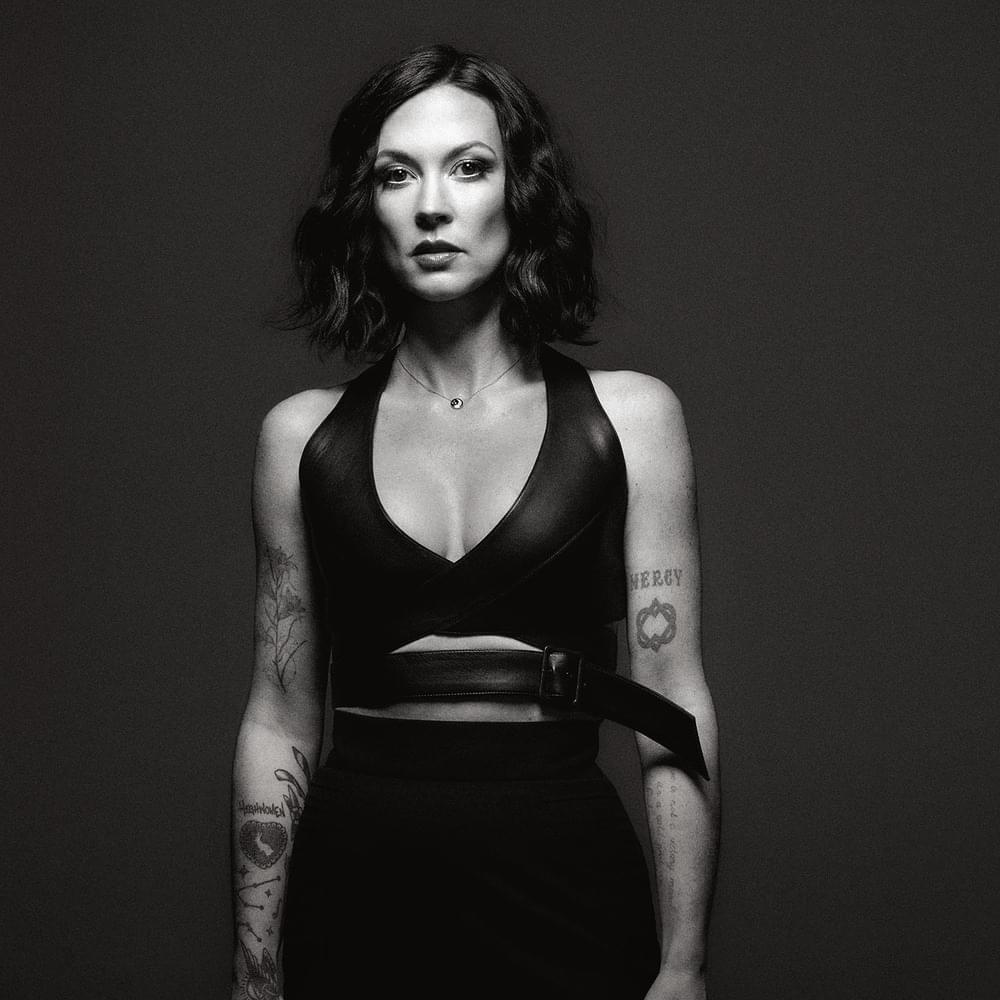
 View Artist