Song Meaning
The lyrics paint a vivid, almost dreamlike scene, opening with a sense of quiet intensity. The repetition of "Em minarete" and sounds like "Mate," "Bate," and "Leve" creates a rhythmic, almost hypnotic pulse. This initial imagery of "Verde neve" (green snow) and "Minuete / De luar" (minuet of moonlight) establishes a surreal, nocturnal atmosphere where the ordinary is transformed.
The central mood shifts towards a lively, communal celebration, particularly in the second half. Phrases like "Rompem fogo / Pandeiretas" (tambourines break fire) and "Bailam tetas / E bonitas" (dancing breasts and beautiful ones) suggest an uninhibited, spirited gathering. The recurring "De luar" (of moonlight) acts as a unifying element, bathing the entire scene in a soft, magical glow that seems to amplify the joy and movement.
The craft here lies in the evocative, sensory language and the playful use of sound. Words like "minarete," "minuete," and "laçarote" add a touch of exoticism and elegance, contrasting with the more earthy "pandeiretas" and "bonitas." The repeated "Giram" (turn/spin) in the fifth stanza perfectly captures the swirling motion of the dancers, creating a kinetic energy that pulls the listener into the scene. The imagery of "Girassóis" (sunflowers) turning, even under moonlight, adds a touch of surreal beauty.
Ultimately, these lyrics are effective because they create a potent sensory experience. The combination of rhythmic sounds, striking visual contrasts (like green snow and dancing figures), and the pervasive, enchanting presence of moonlight conjures a feeling of festive liberation. It's a snapshot of a moment where inhibitions dissolve under the night sky, leaving a lingering sense of vibrant, almost intoxicating, revelry.
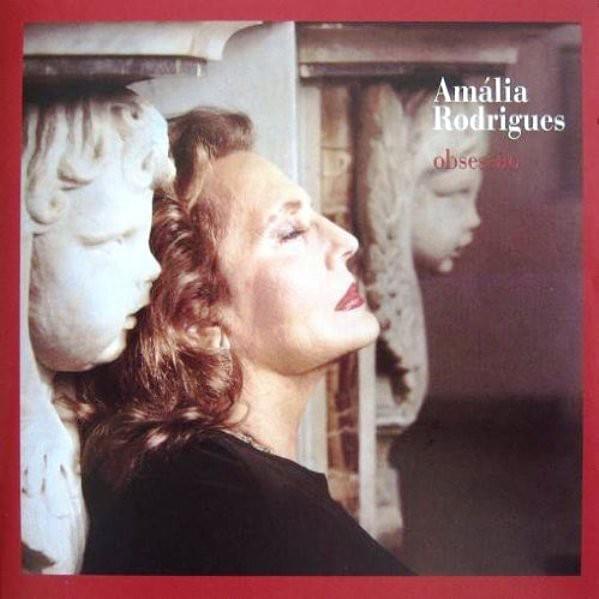
 View Artist