Song Meaning
The lyrics paint a stark, almost allegorical scene of a soul returning in a state of profound distress. The initial knocking at the door, a common trope for arrival, is met with a desperate plea: "Venho morta, quase morta!" This immediate declaration of near-death sets a somber, urgent tone. The narrator's inability to recognize the soul, noting how "mudada que vinha" and its "asas andorinhas" were broken, emphasizes the severity of its suffering and transformation.
The core tension lies in the narrator's futile attempts to comfort and restore the soul. A lavish meal and a comfortable bed are prepared, yet these material comforts are met with silence. The soul "olhava e não respondia," its eyes filled with "quantas tristezas." This disconnect highlights the depth of the soul's internal pain, suggesting that external solace cannot mend what is fundamentally broken within.
The most striking craft element is the contrast between the narrator's actions and the soul's passivity, coupled with the narrator's own emotional struggle. While preparing comforts, the narrator's voice shifts from solicitous to sorrowful: "Dorme, dorme, ó minha alma. Dorme para te embalar / A boca me está cantando, com vontade de chorar..." This reveals the narrator's own deep sadness, a shared despair that transcends the act of offering aid.
This piece resonates because it captures a profound sense of helplessness in the face of overwhelming sorrow. The imagery of broken wings and the silent, unresponding soul speaks to a spiritual or emotional exhaustion so complete that even basic care cannot penetrate it. The narrator's own suppressed grief, expressed through a song meant to soothe, underscores the tragic intimacy of shared suffering.
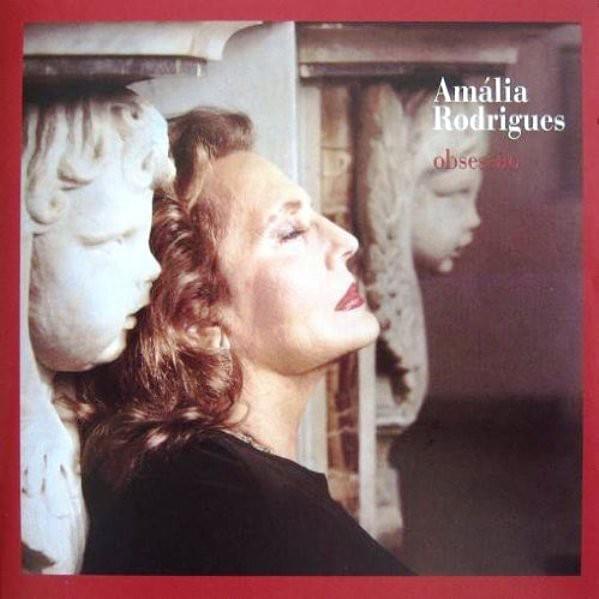
 View Artist