Song Meaning
The lyrics paint a poignant portrait of Lisbon, personified as a grieving mother fixated on the river. The opening lines immediately establish a sense of melancholic stillness, questioning why the city's gaze is so intently fixed on the water, as if waiting for something that won't return. This visual of "eyes fixed on the river" creates a powerful image of longing and perhaps regret.
The core emotional tension revolves around loss and the irreversible passage of time. The repeated phrase "O barco que ontem partiu / Partiu e não volta mais!" hammers home the finality of departure. The city isn't just sad; it "cries tears of stone," a striking metaphor that suggests a deep, unyielding sorrow etched into its very foundations, found "in every corner of the quay."
The most compelling aspect is the shift in perspective from observation to a plea for connection and shared burden. The narrator addresses "Lisboa, velha Lisboa / Mãe pobre à beira do rio!" and offers solace, "Let the shawl on my shoulders / Be a blanket for your cold!" This transforms the city from a passive object of pity into a maternal figure the narrator feels compelled to comfort, blurring the lines between observer and participant in Lisbon's grief.
This intimate address and offer of comfort make the lyrics resonate deeply. By personifying Lisbon as a "poor mother" whose sorrow is as solid as stone, the song crafts a powerful emotional landscape. The narrator's desire to share the city's "cold" suggests a profound empathy, turning a lament for a lost ship into a shared human experience of loss and the search for warmth against the chill of finality.
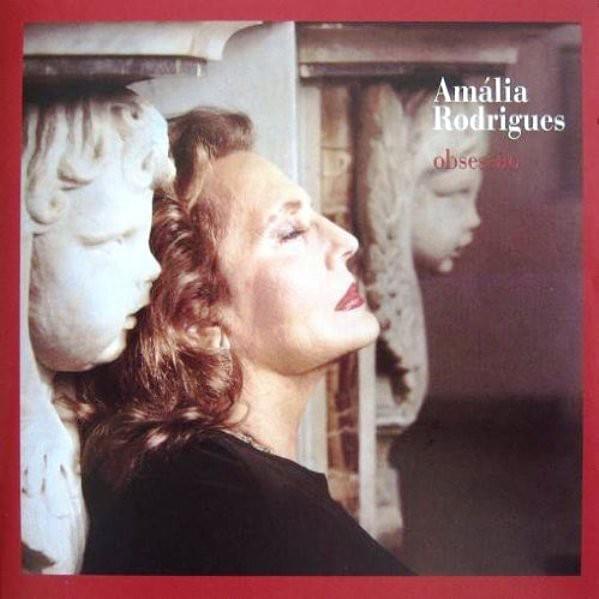
 View Artist