Song Meaning
The lyrics paint a picture of a woman being relentlessly pursued by someone she doesn't want. She directly addresses her pursuer, questioning why he continues to bother her when she's made it clear she's unavailable and uninterested. The dominant tone is one of firm rejection and exasperation, underscored by a quiet pride in her existing commitment.
The central tension lies between the pursuer's persistent advances and the narrator's unwavering refusal. He seems to believe his wealth and charm should be enough to sway her, but she contrasts his superficial appeal with the genuine, noble love she shares with her husband. This isn't just about saying no; it's about asserting the value of her current relationship against an unwelcome external pressure.
The most striking element is the narrator's repeated assertion, "Não me vendo, nem me dou" (I don't sell myself, nor give myself). This phrase, appearing twice and forming the core of the final verse and outro, emphasizes her integrity and the depth of her existing love. She dismisses his gifts and attempts to buy her affection, stating she has already given her all to someone who understands true passion, a love he clearly doesn't comprehend.
This song hits hard because of its clear, direct voice and its refusal to equivocate. The narrator isn't wavering or tempted; she's resolute. The contrast between the pursuer's presumed entitlement and husband's perceived value – his riches versus his noble soul – highlights where her true loyalty and affection lie. The closing "Merci bien / Muito obrigada" serves as a polite but final dismissal, a sophisticated way of saying her decision is made.
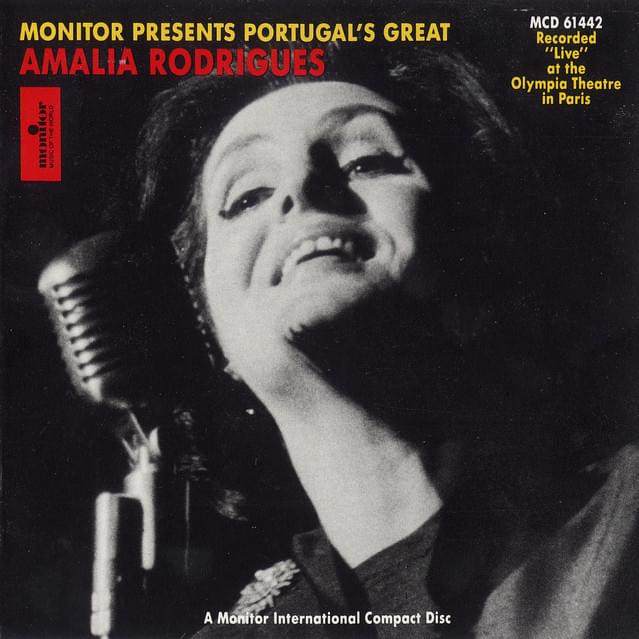
 View Artist