Song Meaning
The lyrics open with a striking image: the speaker was given a "street name" from Lisbon, not a personal one. This immediately sets a tone of quiet melancholy, suggesting an identity defined by place rather than self. It's a poignant distinction, implying a sense of being overlooked or generalized.
The core tension lies in this assigned identity. The street name is "muito mais nome de rua / Do que nome de pessoa," emphasizing a lack of individual recognition. The phrase "nomes de canoa" further suggests a transient, perhaps fragile, existence, as if the identity is merely a vessel passing through, rather than a rooted being.
The description of this "rua quieta" is particularly vivid, a "rua secreta / Onde à noite ninguém passa." This repeated image of an empty, hidden street powerfully conveys isolation. Yet, within this solitude, the lyrics introduce sharp emotional contrasts: "o ciúme é uma seta" – piercing and direct – while "o amor é uma taça," suggesting something held, perhaps offered, or even consumed. This interplay of sharp and soft emotions in a forgotten space is compelling.
The emotional effectiveness culminates in the unexpected turn where "a sombra do poeta / De repente, nos abraça!" This moment of poetic embrace offers a surprising warmth in the quiet, secret street, suggesting solace found in art or reflection amidst the anonymity. The final stanza then grounds this experience with "um pouco de amargura" and "o riso de quem perdoa," painting a nuanced picture of a life lived with both quiet pain and a capacity for grace, all intrinsically linked to the character of that Lisbon street.
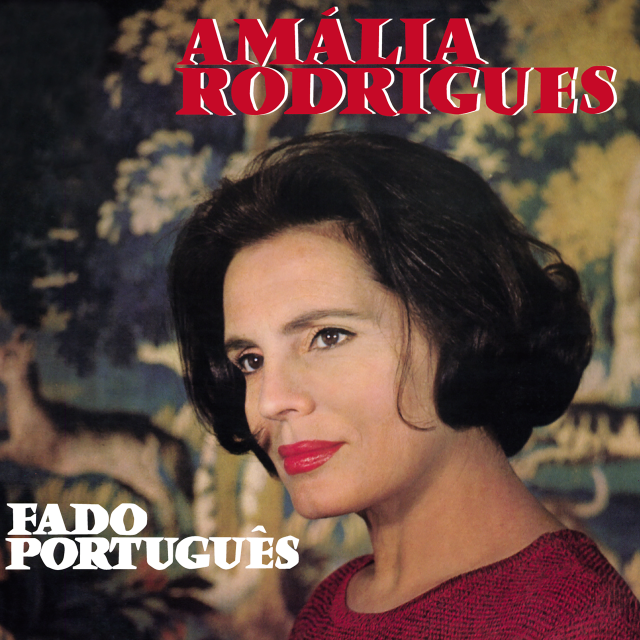
 View Artist