Song Meaning
The lyrics paint a vivid picture of a love tied to the sea, with the narrator's lover being a sailor who 'lives on the high seas.' This lover's presence is as untamable as the wind, described as having 'arms like the wind.' When this sailor arrives, the narrator's 'blood is a river,' a powerful image of overwhelming emotion, where the lover 'docks' and their heart is 'a ship.'
The central tension lies in the lover's inherent freedom and the narrator's longing for their return. The sailor's words, 'I live far, far away, where the ships pass,' establish the distance and the transient nature of their relationship. Yet, the lover promises a return, speaking of passing 'like the wind on the sands' and 'opening all the windows and opening all the chains,' suggesting a desire to break free and reconnect. This promise fuels the narrator's enduring hope.
The most striking craft here is the consistent nautical and elemental imagery. The lover is a sailor, their arms are wind, their heart a ship, and the narrator's blood a river. The lover's mouth tastes of 'saudade' (longing), and their hair is where 'winds and freedom are born.' This interwoven language creates a world where love itself is as vast and uncontrollable as the ocean and the wind, deeply connecting the lovers to these natural forces.
This writing is effective because it grounds an intense, almost overwhelming love in concrete, evocative imagery. The contrast between the sailor's nomadic existence and the narrator's patient waiting creates a poignant emotional landscape. The lover's grand promises of return, spoken 'one day,' leave the narrator in a state of perpetual anticipation, making the waiting itself a central theme.
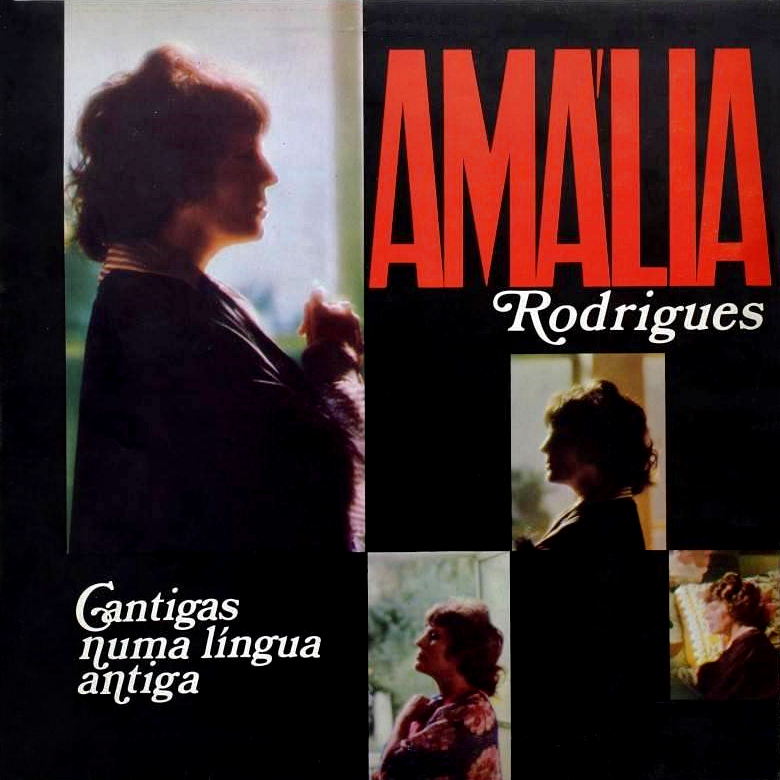
 View Artist