Song Meaning
The lyrics paint a picture of someone returning from the depths of childhood, a past that still resonates deeply. This return is not one of material possession, but of an offering, a surrender of self to a figure called "Menino Deus" or "Jesus." The narrator arrives "barefoot" and "empty-handed," suggesting a profound vulnerability and a shedding of worldly concerns. This act of giving everything, while possessing nothing, establishes a core paradox of devotion and self-negation.
This sense of alienation and misunderstanding is palpable, particularly in the second stanza. The narrator emerges from the "strange night of the poets," a realm where the "world never understood" them. The repetition of "poets" links this feeling of being an outsider to a creative, perhaps sensitive, identity. The offering to "Menino Deus" here becomes an offering to a kindred spirit, "friend of the poets," reinforcing the idea that this devotion is born from a shared experience of not fitting in.
The third stanza introduces a sharp, almost violent, turn with the imagery of being wounded by an "arrow" and staining the "street with blood." Yet, even in this pain and confrontation with a "demon," the narrator finds solace or justification in the celestial. The "stars were all yours," implying a divine dominion that renders earthly struggles or temptations powerless. The address to "Menino irmão" (brother boy) of those who wander the streets suggests a compassionate identification with the lost and the suffering, again channeling this through the figure of "Menino Deus."
The final stanza solidifies the narrator's emotional state: a deliberate ignorance of sadness and a profound identification with the "sad eyes" of "Menino Deus." The repetition of "sad eyes" and the admission of having "nothing more than sad eyes" underscores a shared melancholy. The ultimate offering, "Everything I have, and nothing I have, is yours," becomes a complete surrender of this shared sorrow and existence, a testament to a bond forged in vulnerability and mutual understanding, even if that understanding is rooted in sadness.
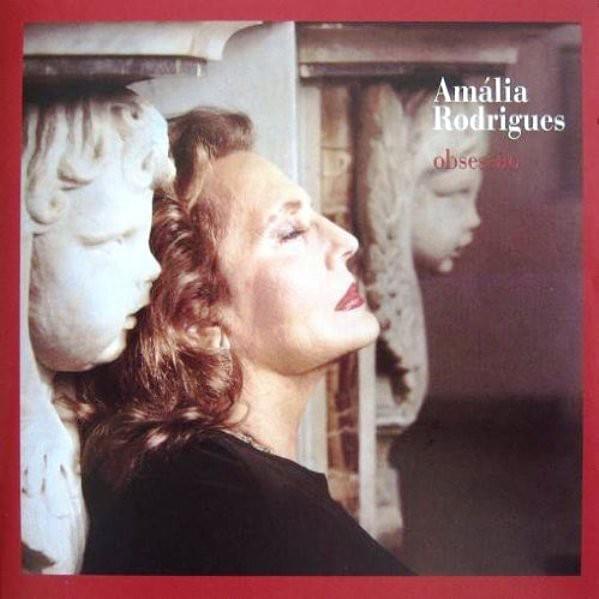
 View Artist