Song Meaning
This song paints a picture of a young woman, addressed as "Don Solidon," who is being observed and perhaps gently prompted. The repeated phrases "Ai a menina" and "Como vai [adjective]" establish a tender, almost lullaby-like tone. The narrator seems to be admiring her, noting her presence with a series of affectionate descriptors like "airosa" (graceful), "contente" (happy), and "catita" (cute or charming).
The central action involves the narrator's instruction: "Ponha a mão na trança" (Put your hand in your braid). This simple gesture is linked to preventing something from falling – "o rosa" (the rose), "o pente" (the comb), and "a fita" (the ribbon). These falling objects, or the potential for them to fall, create a subtle tension. It suggests a moment of delicate balance, perhaps a fleeting beauty or a carefully maintained appearance that the narrator wishes to preserve.
The repetition of the core phrases and the consistent structure create a hypnotic effect, emphasizing the gentle, observational nature of the lyrics. The specific items mentioned – a rose, a comb, a ribbon – are small details that ground the scene. They are not grand pronouncements but intimate observations, highlighting the narrator's focus on the girl's presentation and perhaps her inner state.
Ultimately, the effectiveness of these lyrics lies in their understated charm and the implied intimacy of the scene. The narrator's repeated prompts and observations create a sense of affectionate care, focusing on the small, delicate details of the girl's appearance and demeanor. It’s a snapshot of quiet admiration, where the act of holding a braid becomes a focal point for preserving a moment of grace.
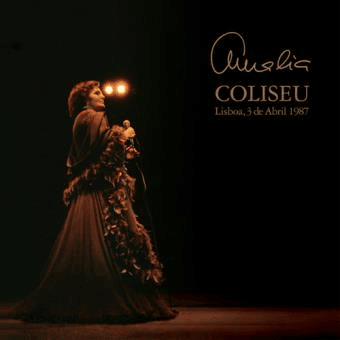
 View Artist