Song Meaning
This Neapolitan folk song paints a vivid, almost transactional picture of desire and negotiation. The narrator arrives, having been promised four handkerchiefs, and directly asks for them, repeating the request with a sense of urgency. The dominant tone is one of insistent, almost pleading, expectation, underscored by the repeated refrain "Oje moccatora." It’s a direct, unvarnished plea for what was promised.
The core tension lies in the potential for disappointment and the narrator's willingness to compromise. When the full promise of four handkerchiefs seems unlikely, the narrator immediately pivots, asking for two instead. This shows a pragmatic approach to securing at least some of what was expected, highlighting a desire to not leave empty-handed. The phrase "Chillo ch'è 'ncuollo a tte nn'e' rroba toja" introduces a subtle hint of possessiveness or perhaps a warning to a rival, suggesting the narrator feels entitled to the handkerchiefs.
The most striking element is the stark, almost business-like negotiation embedded within a song that feels deeply personal. The repetition of "Me lo vuo' dare" (Will you give it to me?) transforms the act of giving into a point of contention, emphasizing the narrator's active pursuit. The shift from four to two handkerchiefs demonstrates a flexible but determined strategy, focusing on the tangible object of desire.
This lyrical approach is effective because it grounds the emotional plea in a concrete, almost mundane exchange. The focus on the "moccatora" (handkerchief) makes the narrator's desire palpable and relatable, even without explicit context. The song captures a raw, persistent hope, willing to settle but still pushing for fulfillment, making the simple act of asking for a promised item feel charged with emotional weight.
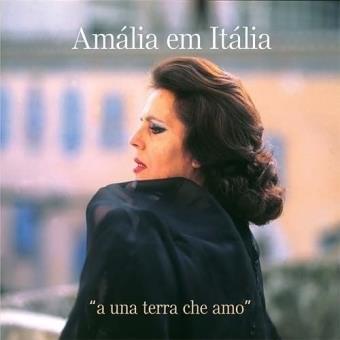
 View Artist