Song Meaning
The lyrics paint a stark picture of forced displacement, originating from "São Paulo de Luanda" and being brought "para cá" – here. This repetition immediately establishes a sense of being uprooted and transported against one's will. The repeated "É é é calunga, calunga" acts as a mournful refrain, a vocalization of this profound disruption and loss. It's a sound that echoes the trauma of being taken from one's home.
The central tension arises from the contrast between the mother's sorrow and the narrator's singing. While the mother "chorava" (cried), the narrator "cantava" (sang), accompanied by the insistent "Calunga." This isn't necessarily a joyful singing, but perhaps a coping mechanism, a way to process or endure the unbearable. The mention of "Maracatu" grounds this experience in a specific cultural context, suggesting a tradition being carried through or disrupted by this forced migration.
The most striking element is the juxtaposition of profound sadness and the act of singing, particularly the recurring "Calunga." This word, repeated like a mantra, seems to hold the weight of the experience – perhaps a lament, a spiritual invocation, or a name tied to the place or people left behind. The simple, direct language amplifies the emotional impact, making the narrative of displacement feel immediate and deeply personal.
These lyrics resonate because they capture the raw, unvarnished pain of separation and loss. The repetitive structure and the haunting "Calunga" create a powerful emotional echo, drawing the listener into the narrator's experience of being taken from their origins. It's a testament to how music can serve as both a marker of identity and a vehicle for expressing deep-seated grief.
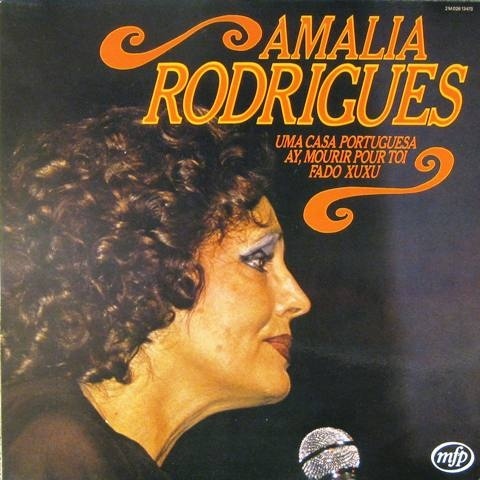
 View Artist