Song Meaning
This piece opens with a direct invocation of the Ave Maria, establishing a sacred and reverent tone. The repetition of "Avé Maria sagrada / Cheia de graça divina" grounds the listener in a familiar prayer, yet the subsequent lines "Oração tão pequenina / Duma beleza elevada" suggest a profound depth within this seemingly simple devotion. It sets up a contrast between the smallness of the prayer and the grandeur of its divine subject.
The core tension emerges as the lyrics pivot from the divine narrative of Jesus' birth to the personal plea of the singer. The lines "Mãe de Deus, se for pecado / Tocar e cantar o fado" introduce a conflict: the sacredness of Mary is juxtaposed with the secular, often melancholic, art form of Fado. The narrator questions whether the act of performing Fado, a music deeply tied to human sorrow and longing, is a sin in the eyes of the divine.
The most striking craft element is the direct address to "Santa Maria das Dores" (Mary of Sorrows) and the plea "Rogai por nós pecadores." This acknowledges Mary's suffering and her role as intercessor, but it's framed by the specific "pecado" (sin) of singing Fado. The recurring phrase "Nenhum fadista tem sorte" (No fado singer has luck) underscores the perceived misfortune or burden associated with this art form, making the prayer for intercession even more poignant.
Ultimately, the effectiveness lies in its raw, confessional plea. It captures a specific cultural and emotional space where deeply held faith intersects with the soul-stirring, sometimes guilt-ridden, expression of human experience through Fado. The lyrics don't offer easy answers but rather articulate a vulnerable moment of seeking divine grace amidst artistic passion and perceived transgression.
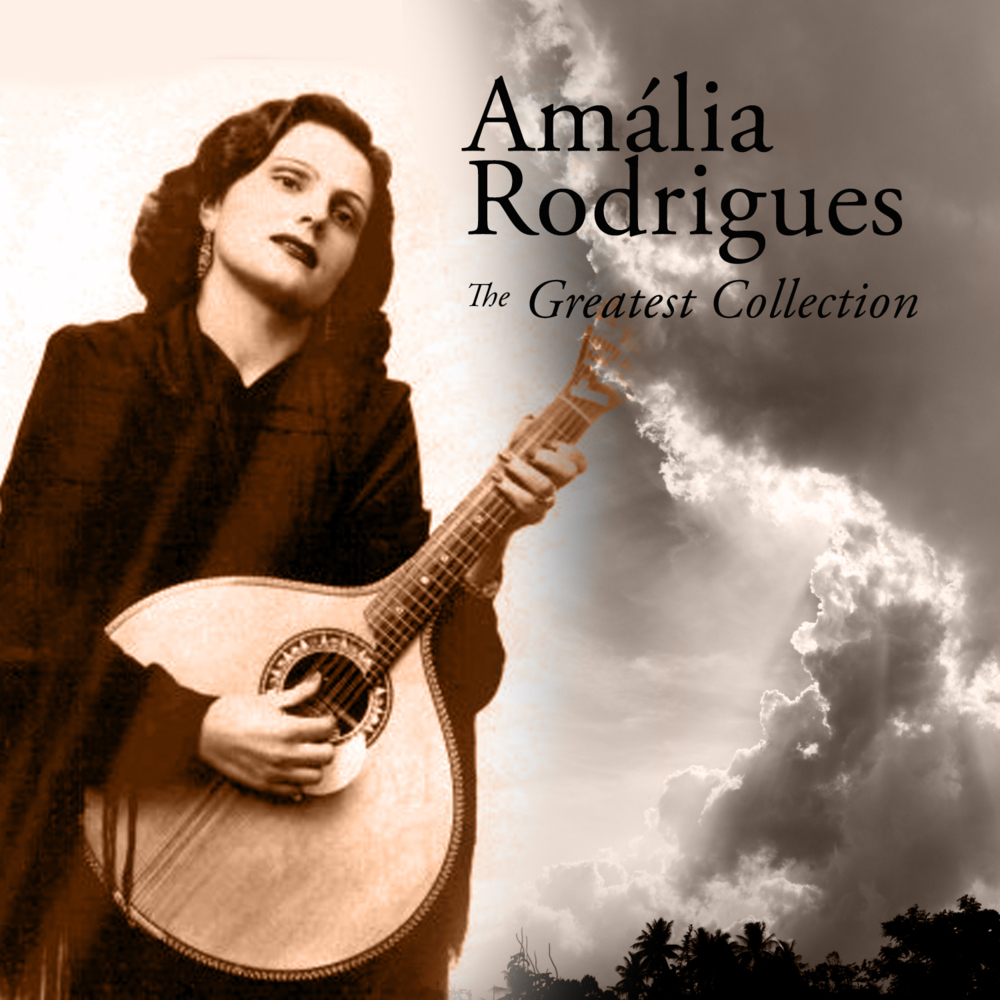
 View Artist