Song Meaning
The lyrics to "Amália" offer a deeply personal reflection on a name, weaving together identity, destiny, and the very essence of fado. It begins with a sense of pride, acknowledging the name's popular resonance. The speaker feels a divine connection to her identity, stating "Quis Deus que fosse o meu nome." This sets the stage for a narrative where the name "Amália" becomes a vessel for profound experience.
A central tension emerges between the public persona and private suffering. The name "Amália" is linked to a divine command to love, even if that means pain: "Amar é padecer." This duty to love and suffer is intrinsically tied to her art, as the lyrics suggest "Amália chora a cantar!" The expectation to perform fado, to sing through tears, highlights a poignant burden.
The relentless repetition of "Amália" at the start of nearly every line is a powerful craft choice. It transforms the name from a simple identifier into a recurring motif that absorbs shifting emotional states. Initially a source of pride, then a command, it later becomes a tender memory ("Disse-me alguém com ternura"). This repetition culminates in a devastating twist, underscoring the speaker's journey through public recognition and private heartbreak.
The lyrics achieve their emotional impact by charting a devastating arc from self-possession to utter erasure. The tender memory of hearing her name "p'la vez primeira" is brutally contrasted with the final lines, where a former lover denies her existence: "Amália? Não sei quem é!" This stark denial, repeated for emphasis, doesn't just signify a lost love; it represents a complete annihilation of identity, making the listener feel the profound sting of being forgotten.
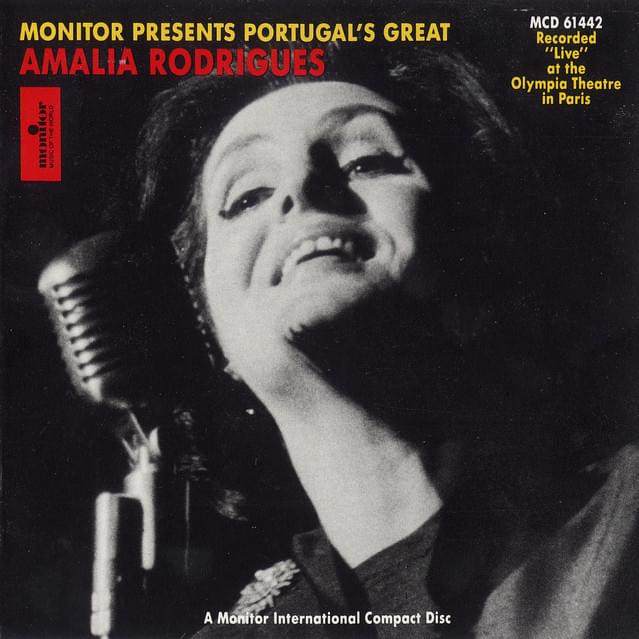
 View Artist