Song Meaning
The narrator is facing a departure, grappling with the fear of separation and the overwhelming feeling of missing someone. The opening lines, "Yo me voy, ¿qué es lo que voy a hacer? / Me da miedo separarme de ti," immediately establish a tone of anxious uncertainty and a deep-seated apprehension about the unknown future without this person. This isn't a confident stride into a new chapter, but a hesitant step marked by a plea, "Por favor, no te olvides de mí," highlighting a vulnerability and a desperate hope for connection to endure.
The core tension lies in the contrast between the desire to preserve memories and the irreversible nature of time and change. The repeated refrain, "Quiero imprimir todas tus fotos / Quiero imprimir todos estos años," reveals a yearning to freeze moments, to hold onto tangible evidence of a shared past. Yet, this act of printing is juxtaposed with the acknowledgment that "a ese lugar ya no volveremos," suggesting that the past, while cherished, is fundamentally inaccessible and unrepeatable. The lyrics hint at a bittersweet realization that memory preservation can only go so far.
What makes these lyrics resonate is the raw, almost desperate, attempt to capture the essence of a relationship through a powerful, albeit ultimately futile, act of preservation. The bridge, with its repeated "Promesas que ya se rompieron / El recuerdo de un plan que nunca viviremos," underscores the weight of what has been lost or will never be. This isn't just about missing someone; it's about mourning the unlived future and the broken foundations of shared dreams, making the desire to "imprimir hasta lo imposible" a poignant expression of trying to hold onto what is slipping away.
The emotional impact stems from this palpable sense of loss and the narrator's struggle against the tide of time. The simple, direct language conveys a profound sadness without resorting to melodrama. The final lines, "Porque yo quiero imprimirte a ti / Y que estés aquí," encapsulate the ultimate, impossible wish: not just to remember, but to somehow make the person present again, a testament to the enduring power of connection even in the face of inevitable separation.
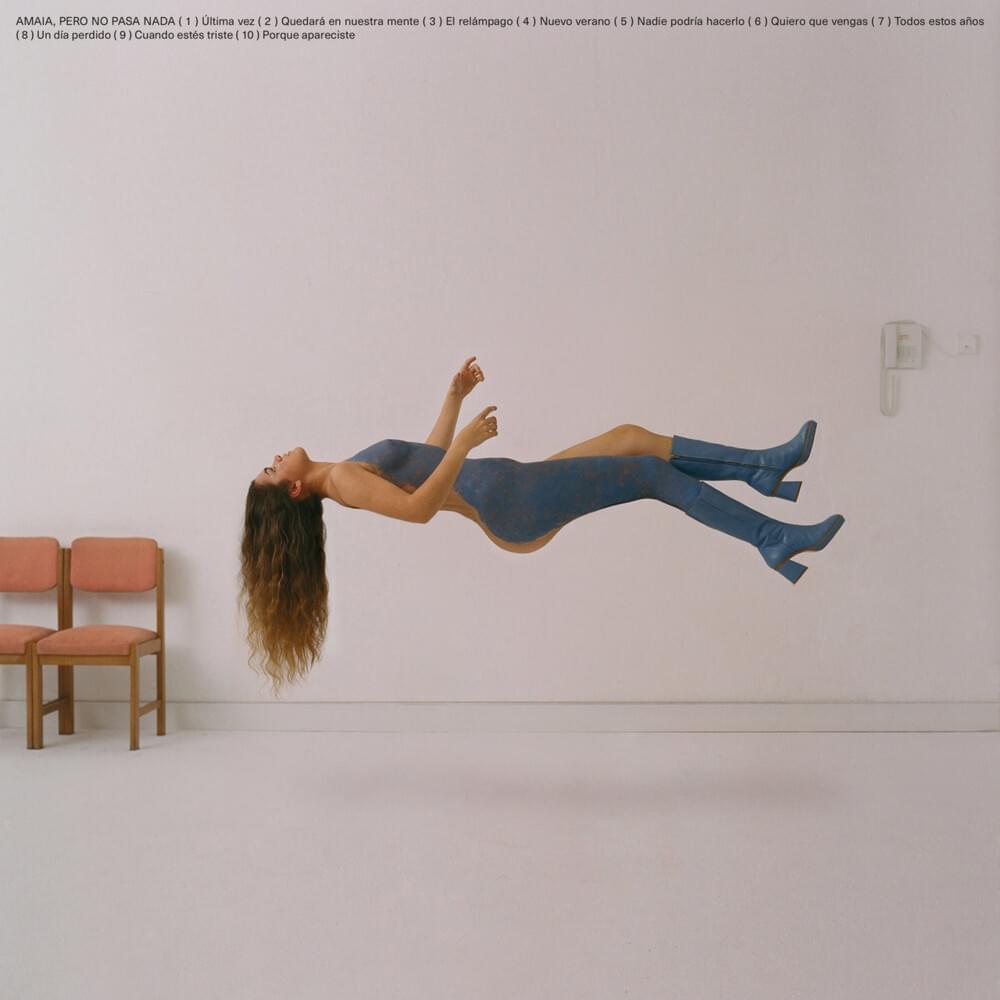
 View Artist