Song Meaning
The lyrics paint a picture of a relationship where one person's unfiltered honesty, while attractive, creates a specific kind of discomfort for the narrator. There's an admission that the other person openly favors aspects of the narrator, a transparency that's initially framed as appealing. However, this directness, this lack of 'sugarcoat,' leads to a situation where the narrator feels pushed to a boundary, specifically in the context of intimacy, as indicated by the line "It won't lead me to your bed."
The central tension lies in the narrator's conflicting feelings about this raw honesty. They acknowledge finding it attractive and appreciate the lack of pretense, yet simultaneously, they are made uncomfortable by it. The repeated plea, "Go ahead and say it," coupled with the knowledge that it causes discomfort and the desire to "make me blush," highlights a dynamic where the narrator is both drawn to and resistant to the other's unvarnished self-expression, particularly when it verges on intimacy. The phrase "make me blush" suggests a reaction that is both involuntary and a sign of being flustered or embarrassed.
The most striking craft element is the narrator's passive yet inviting stance towards their own discomfort. They are essentially giving permission, even urging, the other person to continue saying things that make them uncomfortable, as long as it leads to that specific reaction of blushing. This creates an intriguing push-and-pull; the narrator wants the other person to be themselves, but is clearly struggling with where that honesty leads. The bridge introduces a layer of control and boundary-setting, "But I will only let you go so far," suggesting a conscious effort to manage the intensity of the interaction, even while inviting the blush.
This dynamic is effective because it captures a relatable, albeit specific, interpersonal struggle. It’s not about outright rejection, but about navigating the delicate space between attraction to authenticity and the personal boundaries that protect one's emotional and physical comfort. The lyrics suggest a desire for connection that is tempered by a need for self-preservation, making the narrator's invitation to "say it" a complex plea for intimacy on their own terms.
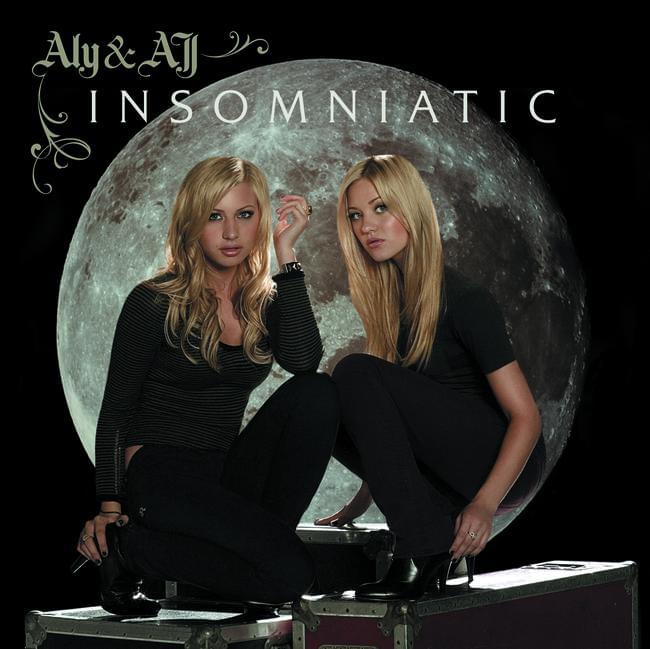
 View Artist