Song Meaning
The lyrics paint a picture of passive resignation and a desperate, almost numb, desire for escape. The narrator adopts a conditional stance, stating "If there's a fine, I'll pay it" and "If that's the game you're playing, Let me know the rules." This suggests a willingness to comply with external forces, even destructive ones, as long as a clear path is laid out. The repeated phrase "Always waiting" becomes a mantra, highlighting a state of perpetual anticipation for something to change or for permission to act. The conditional nature extends to personal actions, like "If there's a pill, I'll swallow," indicating a readiness to numb or alter perception to cope with the stasis.
The central tension lies between this passive waiting and the burgeoning, albeit still conditional, desire for departure. The narrator expresses a readiness to engage with whatever comes their way, but the underlying mood is one of profound boredom and a yearning for movement. The lines "If you are home soon, then we can leave tonight" and the bridge's determined "Getting on the last train and no one can stop me" reveal a deep-seated need to break free from this stagnant existence. However, this escape is framed as a last resort, dependent on external triggers or the exhaustion of all other options.
The craft of the lyrics hinges on this stark contrast between conditional compliance and the explosive, yet still somewhat detached, act of leaving. The repetition of "Always waiting" creates a hypnotic, almost suffocating, atmosphere that perfectly mirrors the feeling of being stuck. The final chorus introduces a more concrete setting with "Artificial light cascading" and "Bored in Bristol," grounding the abstract feeling of waiting in a specific, mundane reality. The phrase "Cool dismissal, self-effacing" further solidifies the narrator's detached and perhaps resigned persona, suggesting a quiet surrender to the circumstances even as they plan an escape.
Ultimately, these lyrics resonate because they capture the quiet desperation of feeling trapped in a routine or situation that offers no agency. The narrator's conditional acceptance of external rules and their readiness to numb themselves highlight a profound sense of powerlessness. The eventual, determined escape, described as leaving "in a fog," suggests that even the act of breaking free is tinged with uncertainty and a lack of clear direction, making the feeling of being stuck all the more palpable and relatable.
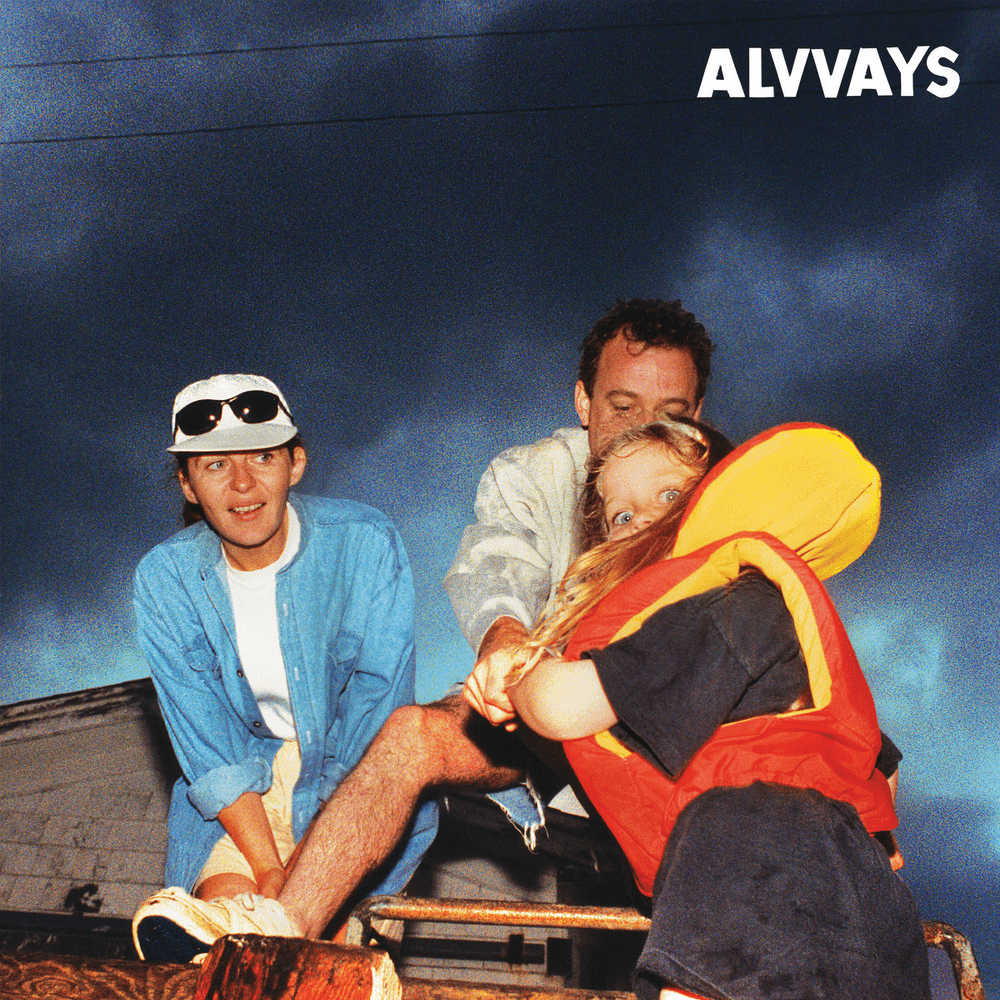
 View Artist