Song Meaning
The lyrics paint a picture of a history that's not complex, but rather a straightforward, almost cynical account of societal divisions and misguided leadership. The narrator suggests that the "pages of my history" are easily understood, not through grand narratives, but through "petty bribes" and the "separation of the tribes." This sets a tone of disillusionment, implying that power structures have led people down a path defined by conflict and moral compromise.
The central tension arises from the futility of historical conflict. Despite "a thousand trips around the sun," the narrator struggles to identify "who lost and won," highlighting a sense of cyclical, unresolved struggle. This feeling is amplified by the repetition of "loss" – "loss of heart, loss of mind," and "lost some chrome" – suggesting that the cost of these historical struggles is a pervasive erosion of spirit, intellect, and even material progress.
The craft here is in the stark, almost blunt pronouncements. Phrases like "Ain't no great big mystery" are repeated, underscoring the narrator's weary certainty about the predictable, often corrupt, nature of historical progression. The image of "men with guns" leading down a "path of righteousness" is a potent, ironic contrast, suggesting that force and dogma, rather than genuine virtue, have often dictated the course of events. The "faces in the mist" further enhance this sense of obscured, perhaps forgotten, victims of these historical processes.
Ultimately, these lyrics resonate because they articulate a profound weariness with the patterns of human conflict and the often-hollow justifications for it. The direct, unadorned language and the focus on tangible losses – heart, mind, chrome – make the critique feel immediate and grounded, even as it addresses the vast sweep of time. It’s a powerful, albeit bleak, commentary on how history’s grand designs often devolve into predictable, costly failures.
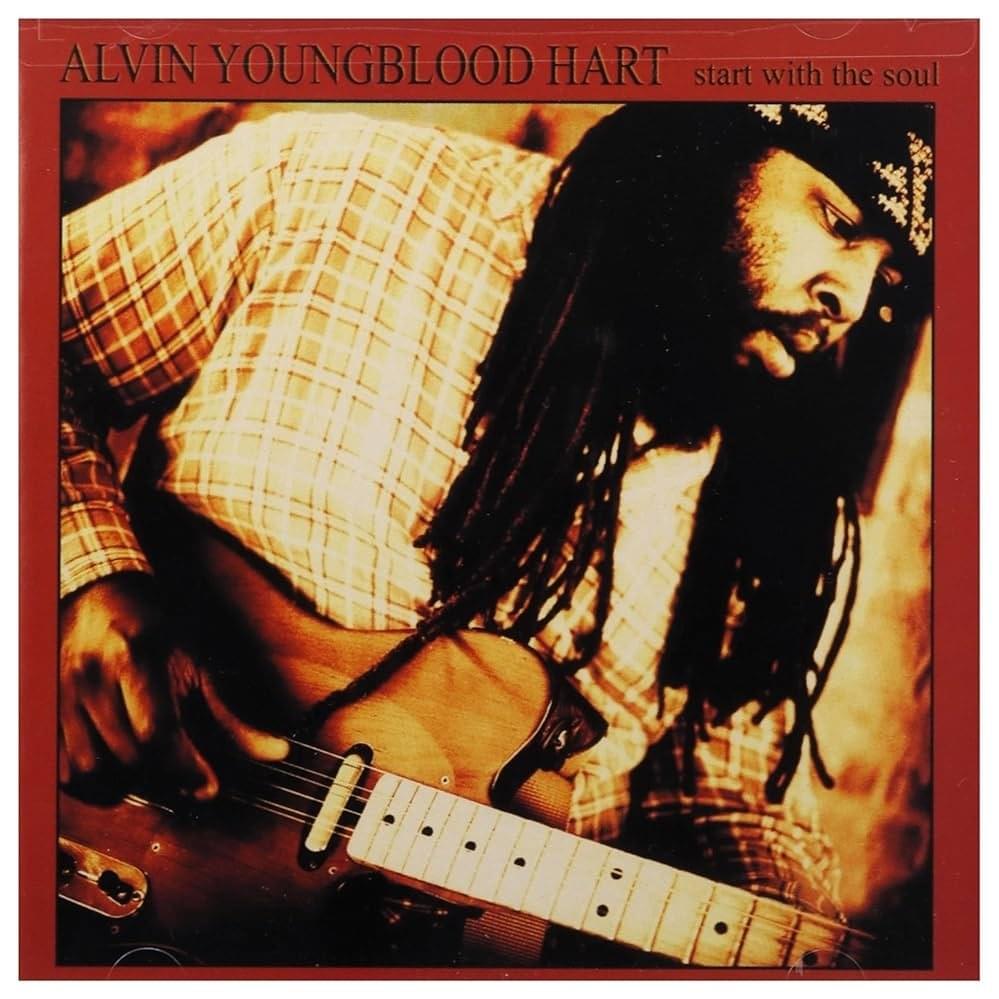
 View Artist