Song Meaning
This track paints a raw picture of a man consumed by a love that feels like a curse. The opening lines immediately establish a desperate, almost perverse desire: "I'd rather be the devil, to be that woman man." This isn't about wanting to embody evil, but rather a profound, twisted yearning to possess the object of his affection, even if it means embracing a dark identity. The repetition underscores the depth of this fixation, suggesting a mind trapped in a loop of longing and perceived injustice.
The narrator attributes his lover's departure to an almost supernatural force, stating, "Ain't nothin' but the devil, could change my baby's mind." This elevates the loss beyond a simple breakup, framing it as a cosmic betrayal orchestrated by an unseen, malevolent power. It’s a way to externalize the pain and confusion, absolving himself and his lover of direct responsibility while amplifying the sense of helplessness.
The narrative then reveals a complicated history: "The woman I love... took her from my best friend." This act of betrayal, however, backfires. His friend, through sheer luck, "stole her back again." This twist introduces a bitter irony, as the narrator's own past transgression seems to have directly led to his current despair. The stolen love is now lost again, a consequence of his own actions.
The final verses capture the sleepless torment of this situation. "I laid down last night... But my mind got to ramblin', like a wild geese from the west." The inability to find rest highlights the overwhelming nature of his thoughts, which are as untamed and far-reaching as migrating birds. The lyrics effectively convey a sense of profound loss and restless anguish, rooted in a cycle of betrayal and regret.
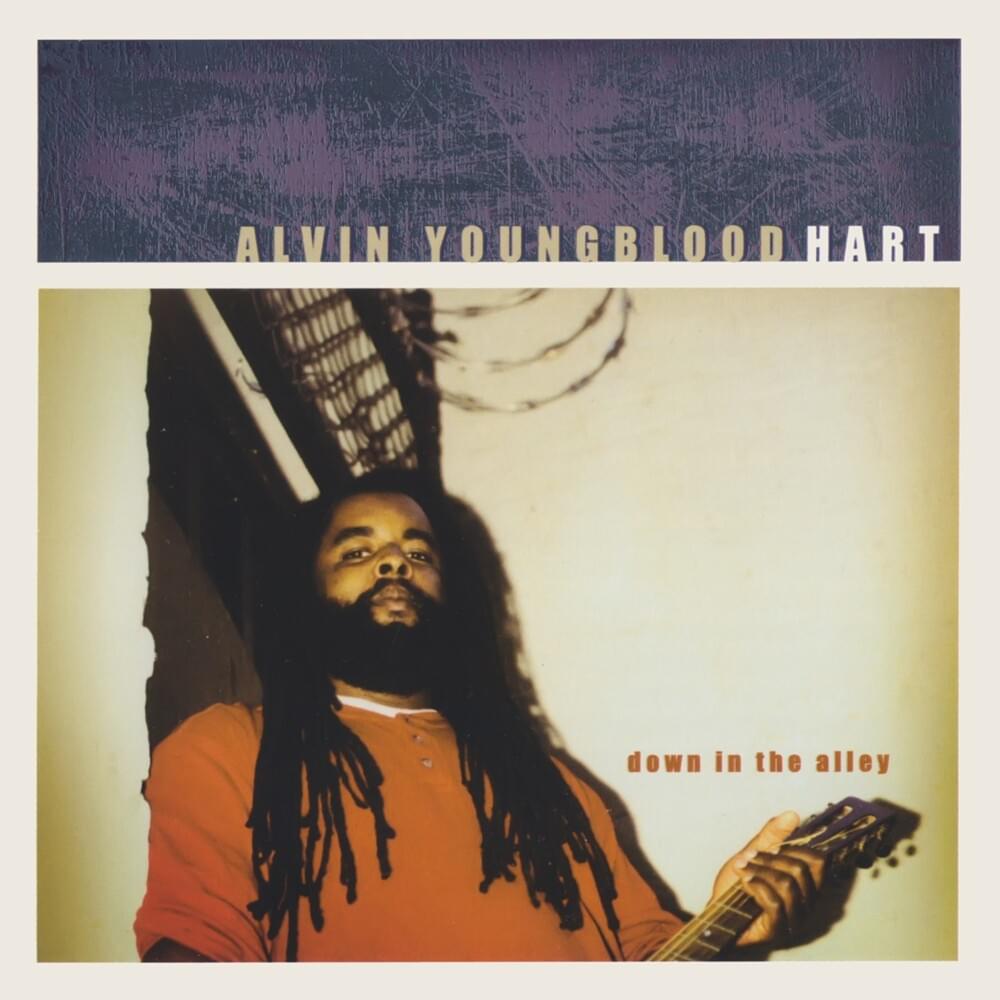
 View Artist