Song Meaning
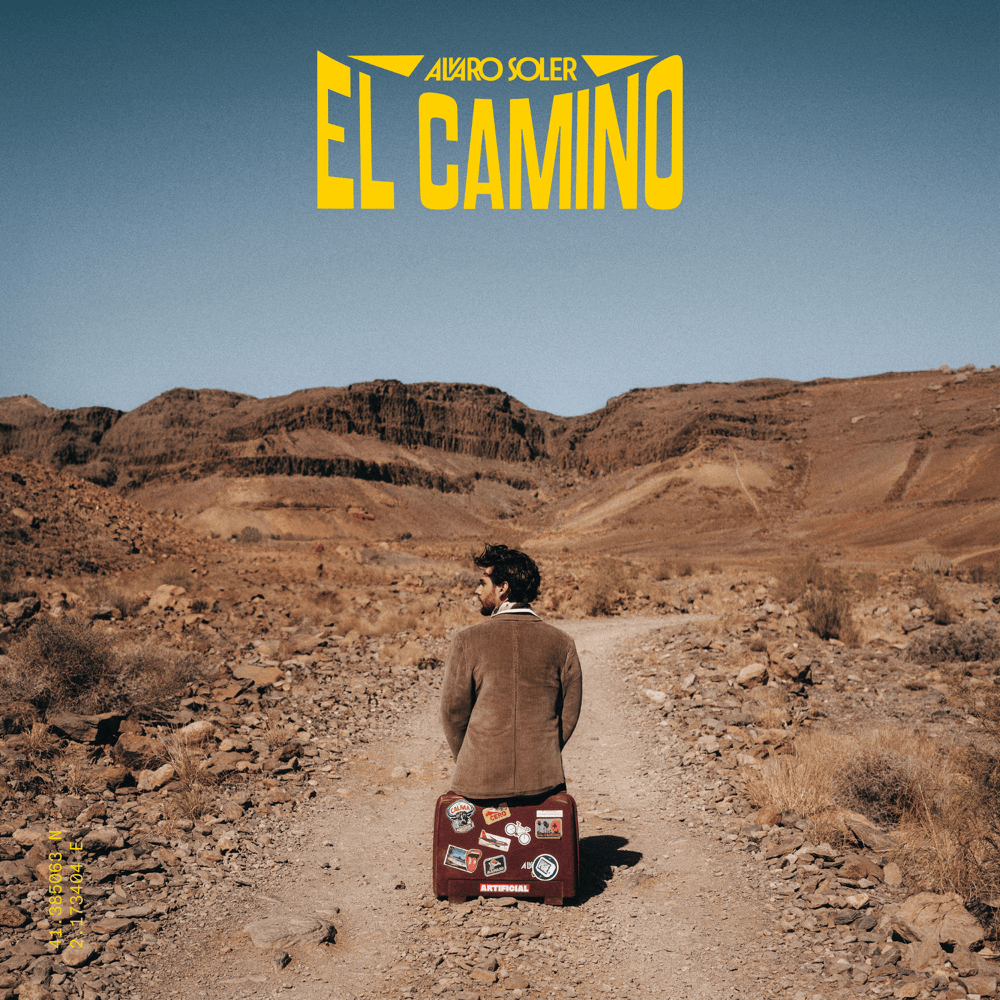
Alvaro Soler's "Mejor Que Yo" isn't just another catchy Latin pop tune; it's a surprisingly vulnerable exploration of identity and the paths not taken. The immediate hook of the chorus, "El otro yo que no cogió este tren / Se perdió, ¿o será que está mejor?" (The other me who didn't catch this train / Got lost, or is it that he's better off?) plants the seed of existential questioning. Soler isn't just lamenting a missed opportunity; he's dissecting the very core of his being. He's trapped in the solitary confinement of his choices, acknowledging, "Solo, me he quedado solo / Y no me he dado cuenta / De lo mal que me sienta" (Alone, I've been left alone / And I haven't realized / How bad it feels). This isn't bravado; it's raw self-awareness.
The genius of "Mejor Que Yo" lies in its open-endedness. Soler doesn't offer easy answers. He presents the central question – is the alternate version of himself, the one who made different choices, actually happier? – without resolution. The post-chorus, a simple "Uh-uh-uh / Mmm / Mm-mm-mm / Mm," acts as a sonic shrug, an acknowledgment of the unknowable. This ambiguity resonates deeply because it mirrors the universal human experience of second-guessing and wondering 'what if?' It taps into the psychological phenomenon of counterfactual thinking, where we imagine alternative scenarios and outcomes.
The spoken-word outro provides crucial context. Soler reflects on his own journey of self-discovery amidst diverse cultural influences and constant relocation. He acknowledges the struggle of balancing adaptation with maintaining a sense of self: "Era una mezcla entre intentar adaptarme para no sentirme solo… Por otro lado, también intentar poner límites de quién soy." This struggle, the push and pull between belonging and individuality, informs the song's central theme. Ultimately, “Mejor Que Yo” acknowledges that the path to self-understanding is rarely linear and often fraught with doubt, even for someone who appears to have it all. Soler’s music and the acceptance he's found becomes his anchor, a hard-won solace in the face of lingering questions about identity and the elusive pursuit of a 'better' self.
 View Artist