Song Meaning
The lyrics open with a simple, insistent declaration: "They wanna just reggae." This phrase, repeated hypnotically, immediately establishes a desire for a specific, rhythmic experience. It paints a picture of collective longing, a shared impulse to move and connect through music. The initial tone is one of pure, unadulterated yearning for this communal activity.
Beneath the surface desire, a deeper aspiration for unity emerges. The bridge explicitly states, "People people can't you see / We want to live in unity / All we need is harmony." This shifts the meaning of "reggae" from merely a musical genre to a metaphor for a desired social state. The lyrics suggest that the act of "reggae" is not just about dancing, but about achieving a collective sense of belonging and peace.
One of the most striking craft elements is the subtle but powerful shift from "They wanna just reggae" to "And then we will reggae" after the plea for unity. This structural choice transforms "reggae" from a simple wish into a conditional outcome. It implies that true, collective "reggae" – understood as harmony and unity – isn't just a spontaneous act, but a state earned or achieved once certain social conditions are met. The repetition itself, especially of "reggae," acts as a rhythmic anchor, pulling the listener into this desired, unified state.
These lyrics are effective because they use simple, direct language to convey a profound message. The generational inclusion ("Momma do, Papa do") grounds the abstract desire for harmony in a universal, familial context. By linking the act of "reggae" with explicit calls for "unity" and "harmony," the lyrics elevate a cultural practice into a powerful symbol for collective well-being. The concluding anecdote about a party "Two weeks ago" then anchors this aspirational vision in a tangible, relatable experience, making the ideal feel achievable.
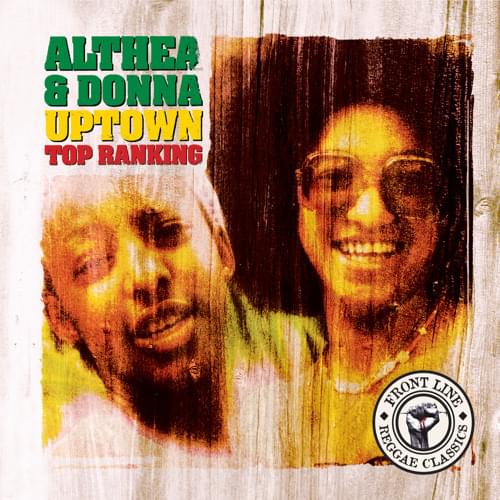
 View Artist