Song Meaning
The lyrics paint a stark, somber picture of a "parade" that feels more like a funeral procession, saturated with grief and disillusionment. The initial imagery of a "crowd is looking drowned" and "flipflapping flags in the silence" immediately sets a tone of somberness, suggesting a public display overshadowed by profound sadness. The national anthem itself is reframed as a "blues," a poignant twist that highlights a deep-seated national melancholy rather than patriotic fervor. This isn't a celebration; it's a somber acknowledgment of loss.
The central tension arises from the disconnect between the heroic narrative of death and the brutal reality of its aftermath. The phrase "dead as a hero can be" is a chilling oxymoron, emphasizing the finality of death while questioning the very definition of heroism in this context. The repeated question, "What peace do you mean when the boys are coming back / In coffins?" directly challenges any notion of peaceful resolution or triumphant return, underscoring the tragic cost of conflict. The lyrics suggest that the "peace" being offered is a hollow consolation for those left behind.
The most striking craft element is the subversion of the "parade" itself. What should be a joyous public spectacle is revealed as a procession of death, with a soldier "parading to heaven." This recontextualization is amplified by the shift in blame. Initially, a girl "puts all the blame on the gouvernment," a direct accusation. However, this evolves into a more personal, accusatory "Put all the blame on you / On you," implicating the listener or a broader societal complicity in the cycle of death. The traveling "video of his death" further underscores the unsettling commodification of tragedy.
These lyrics hit hard because they refuse easy answers or platitudes. They confront the viewer with the raw emotional fallout of war, stripping away the veneer of glory to reveal the grief and anger beneath. The juxtaposition of public display and private pain, the questioning of heroic sacrifice, and the ultimate redirection of blame create a powerful, unsettling commentary on loss and responsibility. The writing forces a reckoning with the human cost behind the flags and anthems.
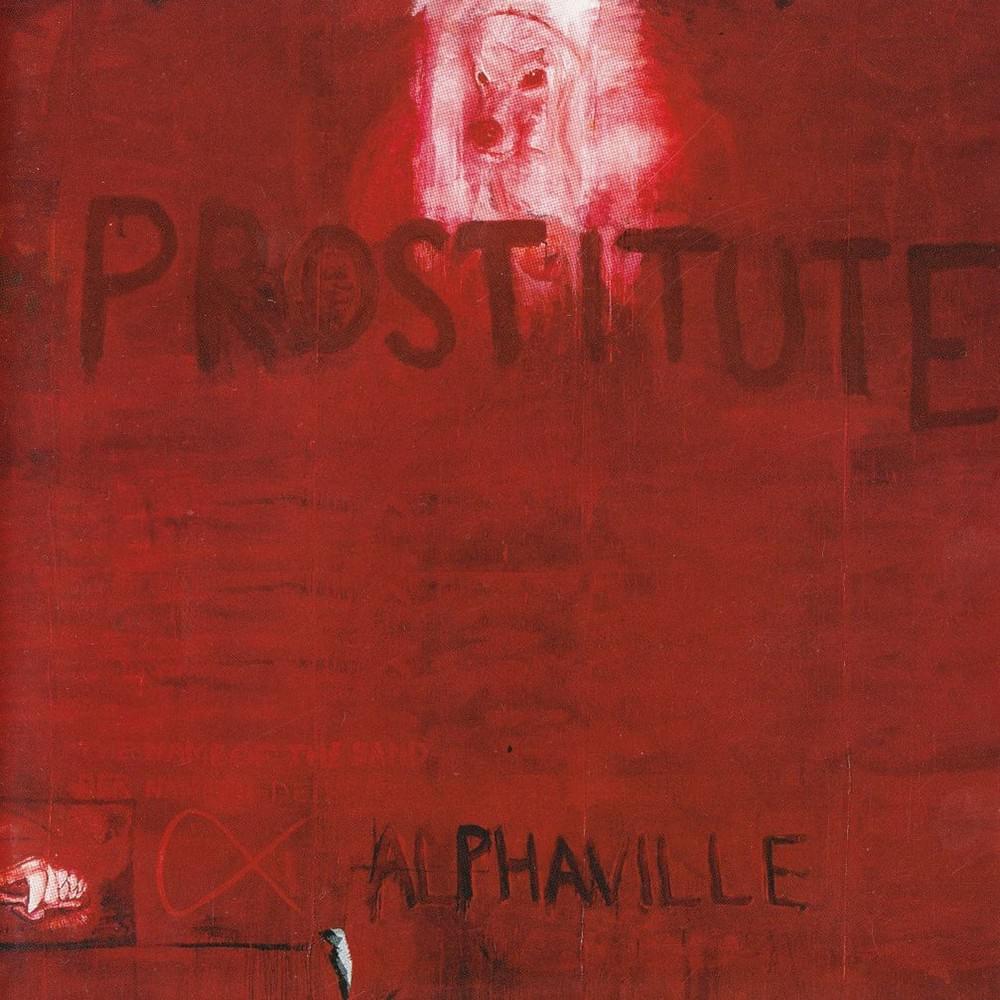
 View Artist