Song Meaning
The lyrics paint a stark picture of a harsh, unforgiving environment, likely urban streets, where survival dictates a primal, almost animalistic approach to resources. The opening line, "Partage la viande crue j'ai un creu ici ça mange cru," immediately establishes a raw, urgent need and a lack of refinement, suggesting a place where basic instincts take over. This isn't about polite sharing; it's about immediate consumption and survival.
The dominant tension seems to stem from the contrast between this raw, street-level existence and an implied expectation of order or a different way of life. The narrator's directives – "T'essuies pas la bouche quand tu bois après moi" and "Faut que tu marches droit du 7.8 au 9.3" – are not just instructions but assertions of a particular code or reality. They demand a certain comportment, a directness that might seem crude to outsiders but is essential for navigating this world.
The most striking aspect is the juxtaposition of primal imagery with specific geographical markers. The phrase "viande crue" (raw meat) evokes a visceral, almost brutal necessity, while the mention of "7.8 au 9.3" grounds the experience in concrete Parisian départements, known for their diverse and often challenging urban landscapes. This blend of the elemental and the specific anchors the abstract struggle for survival in a tangible, lived reality.
Ultimately, these lyrics resonate because they capture a feeling of unvarnished authenticity and a defiant pride in a way of life that operates outside conventional norms. The narrator isn't apologizing for the harshness; they're stating it as fact, demanding adherence to its rules. It's a powerful, condensed expression of a specific, gritty existence.
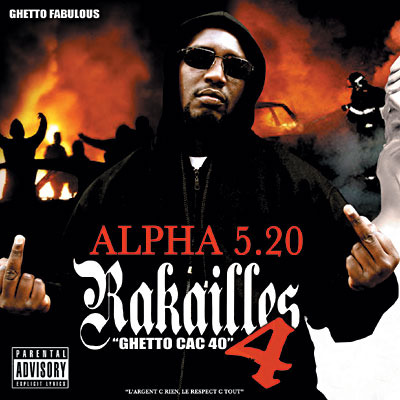
 View Artist