Song Meaning
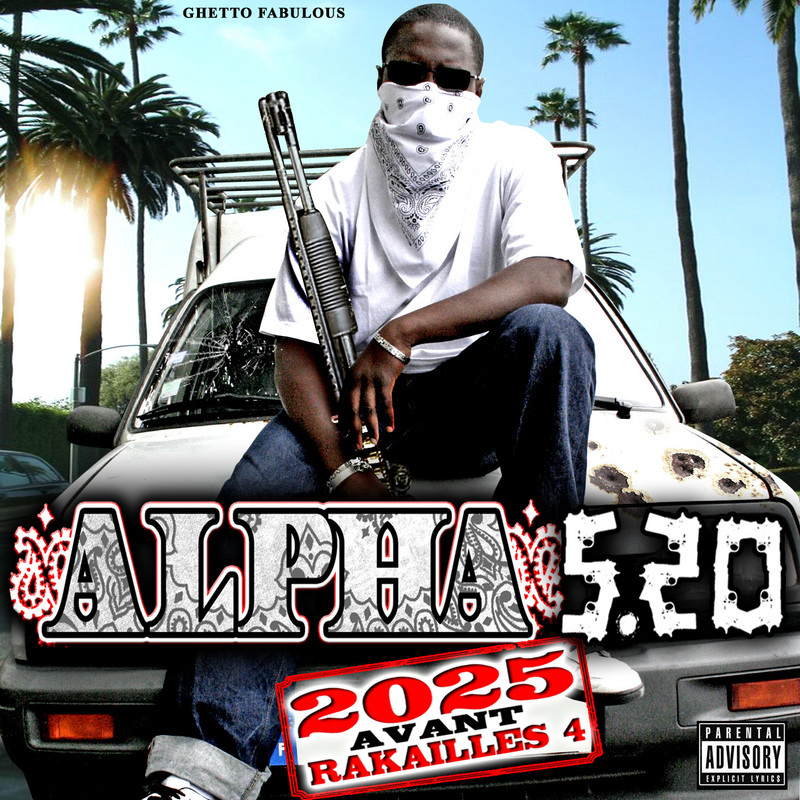
The lyrics paint a picture of a defiant, street-hardened persona, seemingly from the 93rd arrondissement of France, who operates outside conventional rules. The narrator claims to buy out the bar but not drink, a curious detail suggesting a detached or strategic presence. This figure is associated with a "Ghetto Fabulous Gang," implying a blend of street credibility and aspirational flair, and asserts dominance with a forceful, almost territorial attitude, particularly towards outsiders or perceived threats.
The dominant tension arises from this persona's self-proclaimed status and methods. There's a clear assertion of power and origin: "Originale caillera vient du 93." The lyrics juxtapose elements of street life – "broliqué, sans papiers," "bicraveur substanciel" – with a focus on material gain and sexual conquest: "La maille avant les tassepés d'abord," "Mailler, baiser c'est l'essentiel." This creates a sense of a life lived by a distinct, uncompromised code.
The craft here lies in the rapid-fire delivery of contrasting images and a coded language that establishes in-group knowledge. Phrases like "Tamponne les tasses mais sans constat" hint at a disregard for official procedures, while the aggressive challenge, "Tu veux la guerre avec t'es nous ? T'es niqué !" underscores a confrontational stance. The lyrics also blend geographical references, from "93" to "Afrique noire, Maghreb," suggesting a broader network or identity.
This writing is effective because it creates an immediate, visceral sense of a specific, unapologetic identity. The dense, often aggressive slang and the confident pronouncements about priorities – money and sex – build a compelling portrait of someone operating on their own terms. The narrator appears to be projecting an image of control and self-sufficiency, grounded in a particular urban reality.
 View Artist