Song Meaning
The lyrics paint a stark picture of a fractured friendship, where one person feels a deep sense of betrayal and distance. The opening lines immediately set a tone of suppressed anger and a deliberate choice to operate in darkness, suggesting a difficult internal state. The repeated plea, "Oublie mon nom, comme dans la légion," is striking, invoking a sense of anonymity and detachment, as if the narrator wants to erase their past connection and identity in the eyes of this former friend. This isn't just a casual request; it's a demand for complete severance.
The core tension lies in the narrator's inability to reconcile the present with the past, specifically regarding the friend's actions and associations. The narrator observes the friend losing their way, questioning their current company and direction. There's a profound sense of lost recognition: "Je te reconnais plus, je vois que tu t'emportes" and "moi j'sais plus qui t'es." This isn't about a simple disagreement; it's about a fundamental shift in who the friend has become, making forgiveness impossible, as stated in the refrain: "J'aimerais pouvoir te pardonner / Mais je peux pas je peux pas."
The most compelling aspect is the stark contrast between the past intimacy implied by "Mon pote" (my friend) and the present demand for total erasure. The repetition of "Mon pote" before each plea to forget the name highlights the painful irony of addressing someone who was once so close with such a harsh decree. The reference to "la légion" further emphasizes the desire for a clean break, like soldiers who are meant to be nameless and interchangeable, shedding their former lives.
Ultimately, these lyrics resonate because they capture the raw, painful finality of a friendship's end when one party feels irrevocably changed or wronged. The narrator's insistence on being forgotten, coupled with the inability to forgive, conveys a deep well of hurt and a resolute decision to move on, even if it means severing all ties and memories associated memories.
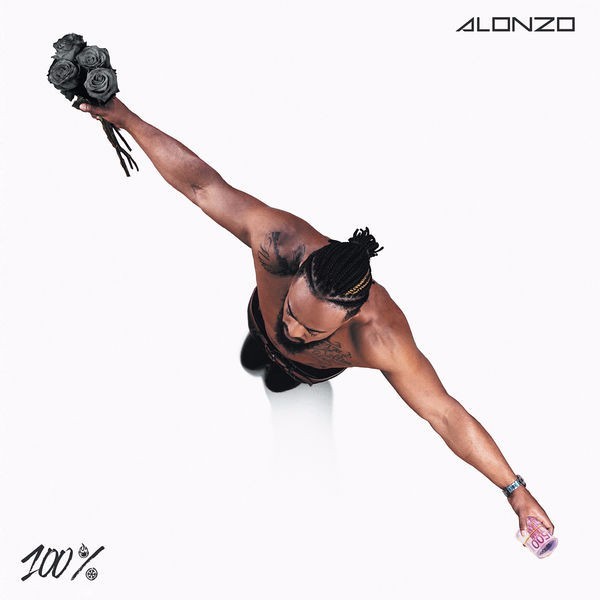
 View Artist