Song Meaning
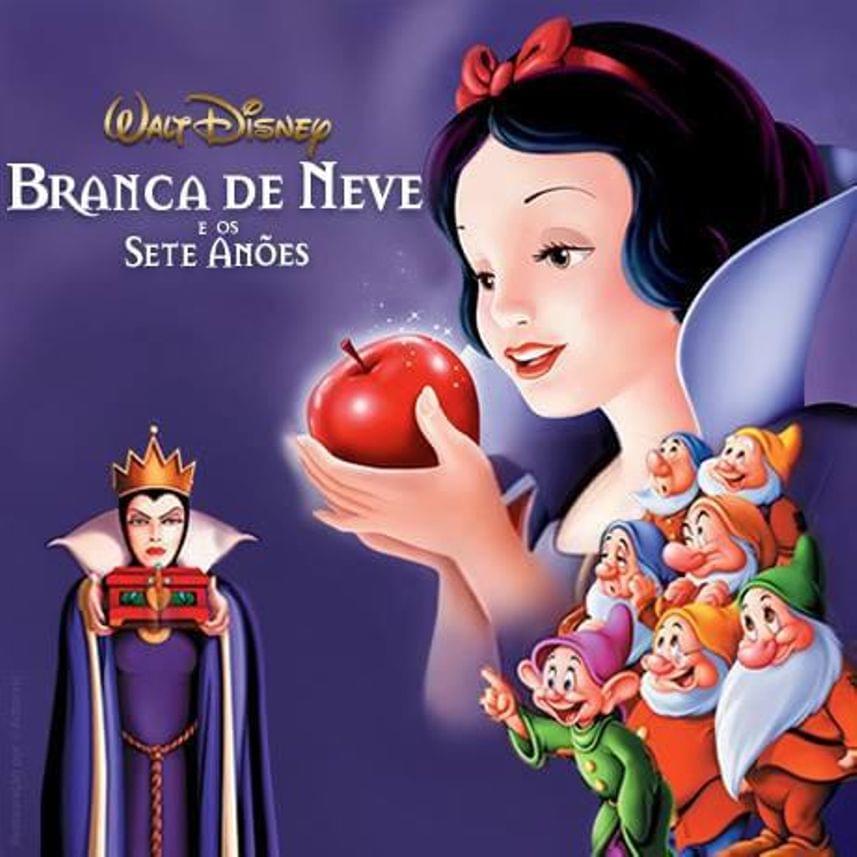
The lyrics paint a picture of relentless, unglamorous labor. The narrator and companions are digging, not for riches, but as a form of distraction, a way to pass the time with their "enxada" and "pá." There's a clear acknowledgment that wealth isn't the goal; the mission is simply to keep digging, day and night, without pause. This suggests a focus on the process itself, a dedication to the task at hand even without the promise of significant reward.
The core tension lies between the repetitive, arduous nature of the work and the potential for unexpected discovery. While they don't expect to get rich, the possibility of finding "brilhantes e outras pedras"—diamonds and other stones—hangs in the air. This creates a subtle undercurrent of hope or at least curiosity, a question of what might be unearthed if they just keep going. The repeated phrase "cavando... cavar" emphasizes the ceaseless effort.
The shift to the "Eu Vou" section introduces a stark contrast. The repetitive, almost chant-like "Eu vou, eu vou" signifies a departure, a movement away from the mine. The phrase "Pra casa agora eu vou" clearly indicates a return home, a break from the labor. The playful "Pararatimbum" adds a sense of lightness and finality to this departure, a joyful release from the digging.
What makes these lyrics resonate is the juxtaposition of enduring, seemingly pointless labor with the simple, immediate desire for home. The digging serves as a metaphor for any repetitive task undertaken without grand ambition, while the "Eu Vou" represents the universal pull of rest and personal space. The lyrics capture that feeling of pushing through a grind, only to be suddenly released by the thought of returning to comfort.
 View Artist